 vegochef.com/guides/how-to-cook-lentils/
How to cook lentils: times and ratios for every type
 By the Vegochef team · Editorial standards · Last checked · 7 min read
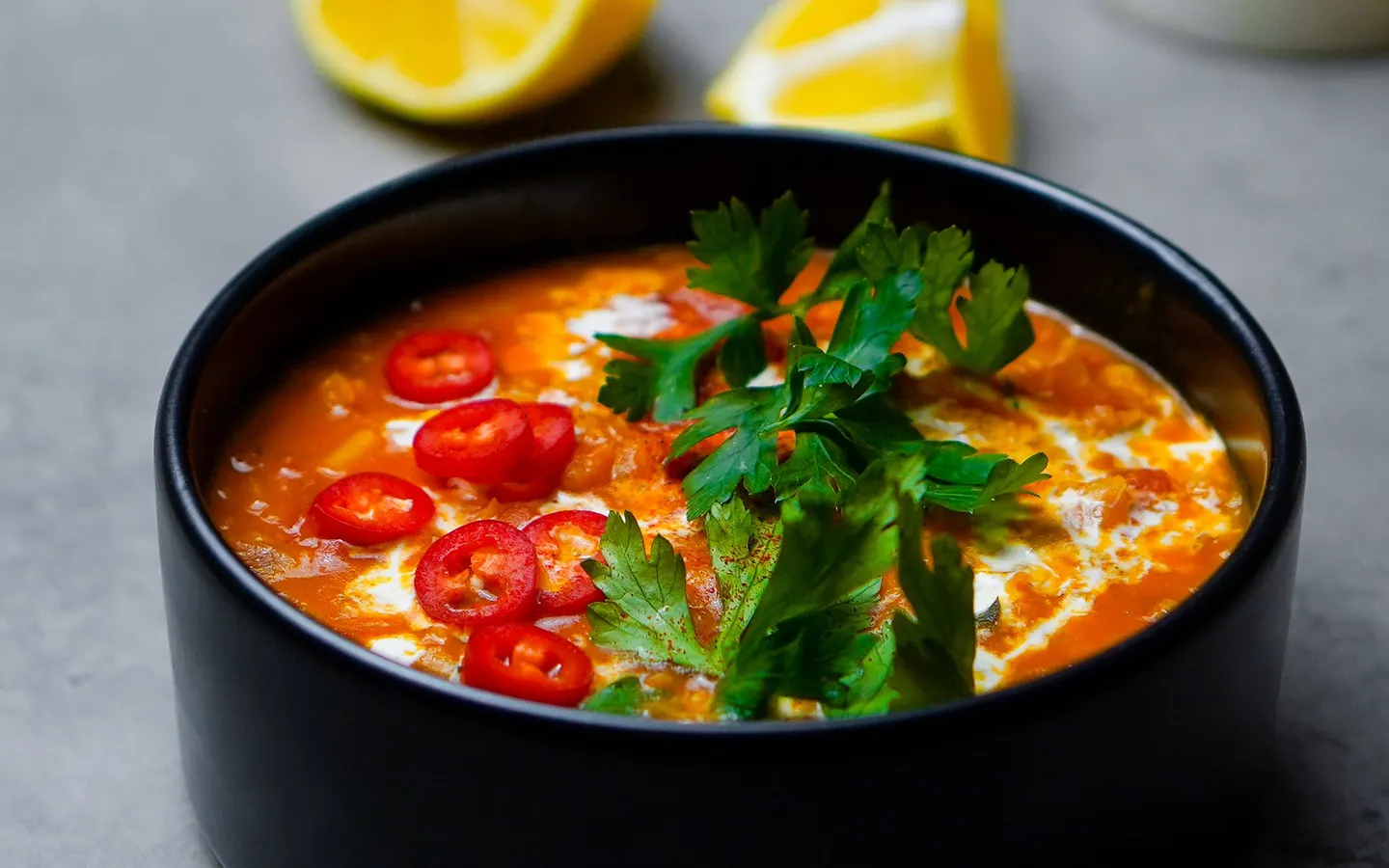
Lentils are the fastest legume in the kitchen: no soaking, one pot, and dinner in under half an hour. The only thing to get right is the type, because a red lentil and a black lentil behave very differently in the pan.
Cooking times and water ratios
For 1 cup (about 200 g) of dry lentils, simmered on the stove. Times vary with the age of the lentils, so start tasting a few minutes early.
| Type | Water | Time | Texture | Best for |
|---|---|---|---|---|
| Red or yellow (split) | 2½–3 cups | 15–20 min | Soft, falls apart | Dal, curry, soup, sauces |
| Brown | 3 cups | 20–30 min | Soft, mostly holds shape | Soups, stews, burgers, chili |
| Green | 3 cups | 25–30 min | Firm, holds shape | Salads, stews, side dishes |
| French green (Puy) | 3 cups | 20–25 min | Firm, peppery | Salads, warm sides |
| Black (beluga) | 3 cups | 20–25 min | Firm, glossy | Salads, bowls, with fish or eggs |
Yield: 1 cup of dry lentils makes about 2½ cups cooked, enough for 3 servings.
How to cook lentils on the stove
- Measure and rinse. Put the lentils in a sieve, pick out any small stones, and rinse under cold water.
- Add water or stock. Use the ratio in the table. For extra flavour, add a bay leaf, a garlic clove or half an onion.
- Bring to a boil, then simmer. Turn the heat down as soon as it boils and keep it at a gentle simmer, uncovered. A hard boil splits the skins.
- Taste. Start checking at the low end of the time range. The lentils are done when they're tender all the way through.
- Drain and season. Drain any water that's left (red lentils usually absorb it all), then add salt, a little olive oil, and lemon juice or vinegar.
When to add salt and acid
Salt can go in at any time, but adding it at the end makes it easier to get right. Add acidic ingredients such as tomatoes, vinegar, wine or lemon juice once the lentils are tender: acid slows softening, which is why lentils sometimes stay hard in a tomato sauce.
Pressure cooker and Instant Pot
Use the same ratio of 1 cup lentils to 3 cups water.
- Green and brown lentils: about 8–10 minutes at high pressure, then 10 minutes natural release.
- French green and black lentils: about 8–10 minutes at high pressure, then 10 minutes natural release. Taste before serving; older lentils can need a few minutes more.
- Red lentils: they cook so fast on the stove that a pressure cooker isn't worth it, and they can foam and block the valve.
Do you need to soak lentils?
No. Lentils are small and thin-skinned, so they cook in 15–30 minutes without soaking. If you do soak them for a few hours, they'll cook a few minutes faster. Unlike dried beans, there's no safety reason to soak or pre-boil them, but always cook lentils fully; don't eat them raw.
Canned or dry?
Canned lentils are already cooked: rinse and drain them, then warm them through or add them straight to salads. A 400 g (15 oz) can holds about 1½ cups of lentils. Dry lentils cost less, taste better and let you choose the texture. A bag keeps for about a year in a cool cupboard; older lentils still cook but take longer.
Storing cooked lentils
- Fridge: let them cool, then keep in a closed container for 3–5 days.
- Freezer: freeze in portions, flat in freezer bags, for up to 3 months. They go straight from the freezer into soups and curries.
Cooking a big batch on Sunday is one of the easiest ways to meal prep for the week.
Which lentils for which dish?
- Creamy dal, curry or soup: red or yellow lentils. Try our red lentil curry or curried red lentil and tomato soup.
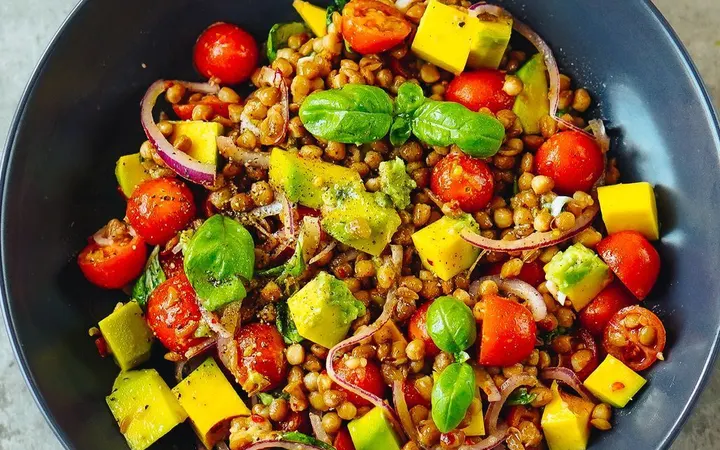
- Salads: French green or black lentils, which stay firm. Brown lentils work if you watch the time. See our lentil salad.
- Stews and chili: brown or green lentils. Our Jamaican lentil curry and chili sin carne are good places to start.
Why cook lentils?
A cup of cooked lentils has about 18 g of protein and 16 g of fibre, and they're a good source of folate and iron. That makes them one of the most useful foods in a vegan, vegetarian or pescatarian kitchen. Read more in how much protein is in lentils.
Frequently asked questions
Do you need to soak lentils before cooking?
No. Unlike dried beans, lentils cook in 15–30 minutes without soaking. Soaking for a few hours shortens the time a little, but it isn't necessary.
What is the water ratio for lentils?
About 1 cup of dry lentils to 3 cups of water or stock for green, brown, French green and black lentils. Red lentils need about 2½–3 cups, depending on how thick you want them.
How do I know when lentils are done?
Taste a few. They should be tender all the way through with no chalky centre. Green, brown and black lentils should still hold their shape; red lentils fall apart, which is normal.
Why are my lentils still hard?
Old lentils, hard water, or acid (tomatoes, vinegar, lemon) added too early can all slow softening. Keep simmering and add more water if needed, and add acidic ingredients once the lentils are tender.
Why are my lentils mushy?
They were cooked too long or too hard, or you used red lentils, which always break down. For salads, use French green or black lentils, simmer gently and start tasting at 15 minutes.
How much does 1 cup of dry lentils make?
About 2½ cups of cooked lentils, or roughly 3 servings.
What is a lentil?
A lentil is the small, lens-shaped seed of the lentil plant (Lens culinaris), a legume. Lentils are pulses, like chickpeas, beans and dried peas, and are rich in protein and fibre.
Recipes to try



Related guides


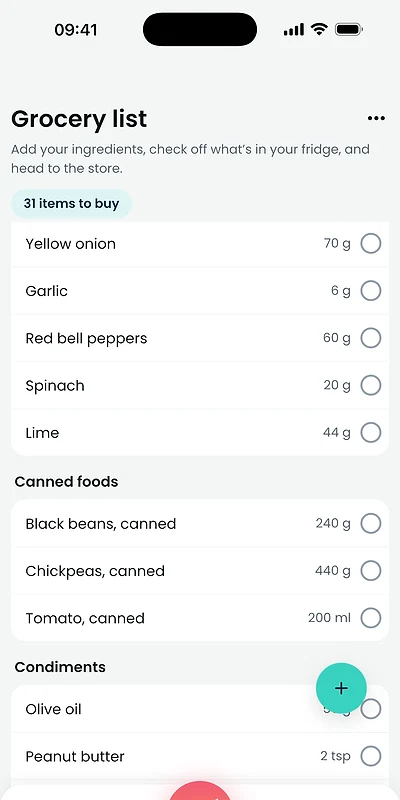
Lentils on the plan, groceries on the list
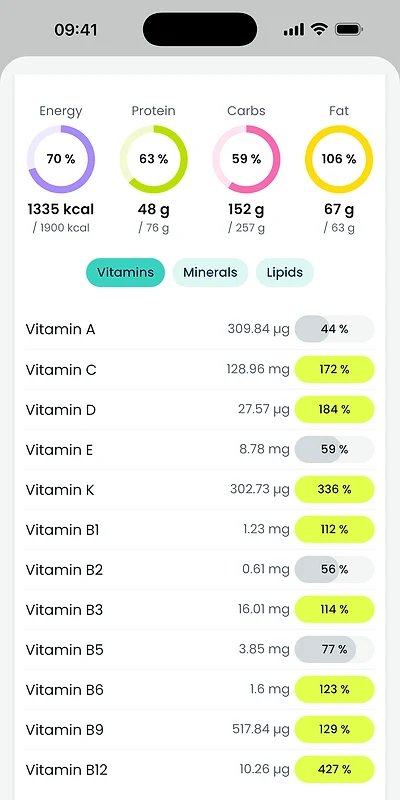
Plan lentil meals in Vegochef, see the protein, iron and folate they add to your day, and send every ingredient to your grocery list in one tap.
Try it free for 7 days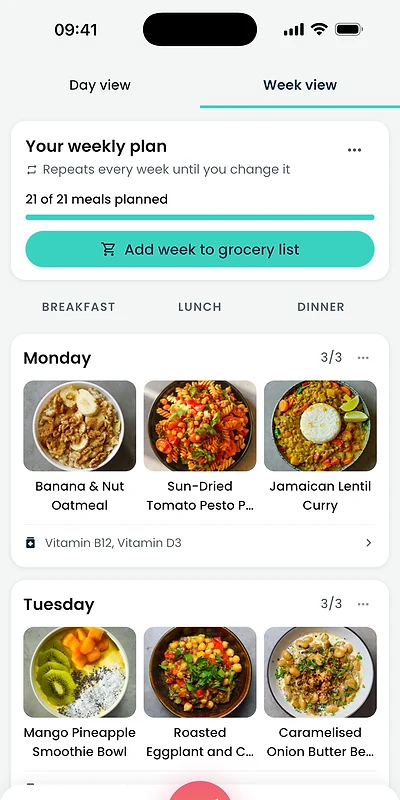
Sources
- USDA FoodData Central: lentils, mature seeds, raw and cooked (fdc.nal.usda.gov)
- USDA FoodKeeper: storage times for cooked legumes (foodsafety.gov)
- USA Pulses and Pulse Canada: lentil types and cooking guidance (pulses.org)
From vegochef.com: meal planner and nutrition tracker for vegans, vegetarians and pescatarians. Free for 7 days on the App Store.