 vegochef.com/guides/high-protein-vegetarian-meals/
High-protein vegetarian meals: 25 easy ideas
 By the Vegochef team · Editorial standards · Last checked · 8 min read
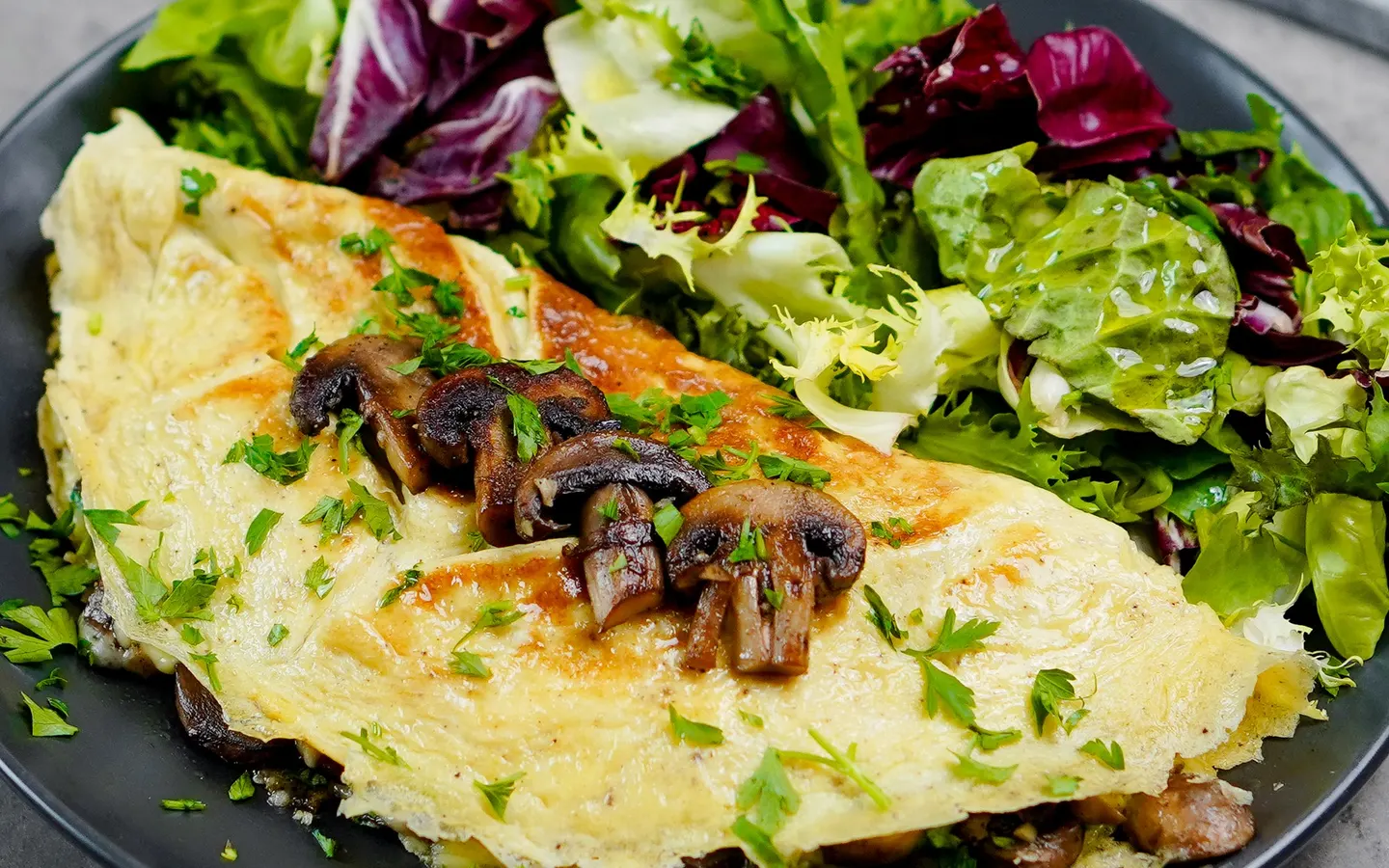
Going meat-free doesn't mean going low-protein. With eggs, dairy, soy and legumes on the menu, a vegetarian can reach 20–30 g of protein at every meal without protein shakes. Below are 25 meals that do exactly that, with a rough protein count for each, plus the foods that do the heavy lifting.
How much protein do you need?
The US National Academies of Medicine set the adult target at 0.8 g of protein per kilogram of body weight per day. That's about 56 g a day for a 70 kg (154 lb) adult and 48 g for a 60 kg (132 lb) adult. People who train hard, want to build muscle or are over 65 often aim for more, roughly 1.0–1.6 g per kilogram. In Vegochef, your protein target is calculated from your body, activity and goal. Work out your own number with our protein calculator.
Spreading protein over three meals, about 20–30 g each, is an easy rule of thumb.
The best vegetarian protein foods
Approximate values from USDA FoodData Central. Brands vary, so check the label for exact numbers.
| Food | Serving | Protein (approx.) |
|---|---|---|
| Cottage cheese (low-fat) | 1 cup (226 g) | 24 g |
| Seitan (store-bought) | 100 g | 20–25 g |
| Tempeh | 100 g | 20 g |
| Lentils, cooked | 1 cup (198 g) | 18 g |
| Edamame, cooked | 1 cup (155 g) | 18 g |
| Greek yogurt (plain, non-fat) | 170 g pot | 17 g |
| Firm tofu | 100 g | 15 g |
| Chickpeas or black beans, cooked | 1 cup (about 165 g) | 15 g |
| Halloumi | 80 g | 17 g |
| Eggs | 2 large | 13 g |
| Milk or soy milk | 1 cup (240 ml) | 7–8 g |
| Cheddar cheese | 30 g | 7 g |
| Peanut butter | 2 tbsp (32 g) | 7 g |
| Hemp seeds | 3 tbsp (30 g) | 9 g |
| Quinoa, cooked | 1 cup (185 g) | 8 g |
More detail: how much protein is in Greek yogurt, tofu, edamame, lentils, chickpeas and seitan.
Breakfast
The protein numbers below count only the main protein foods, so the full meal usually has a little more.
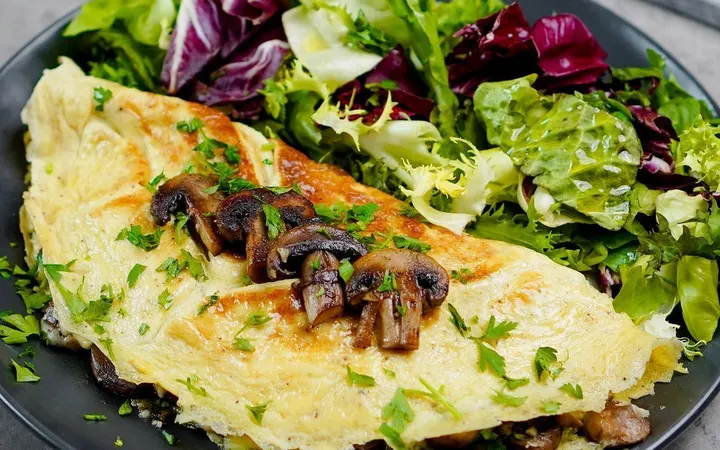
- Mushroom and cheese omelette (3 eggs, 30 g cheddar) with wholegrain toast: about 26 g. Try our cheesy mushroom omelette.
- Greek yogurt bowl (250 g Greek yogurt, 2 tbsp hemp seeds, berries): about 31 g.
- Cottage cheese toast (½ cup cottage cheese on 2 slices of wholegrain bread with tomato): about 20 g.
- Overnight oats with milk, Greek yogurt and chia (½ cup oats, ½ cup milk, 100 g Greek yogurt, 1 tbsp chia): about 21 g. See white chocolate overnight oats.
- Tofu scramble (150 g firm tofu) with spinach and toast: about 28 g.
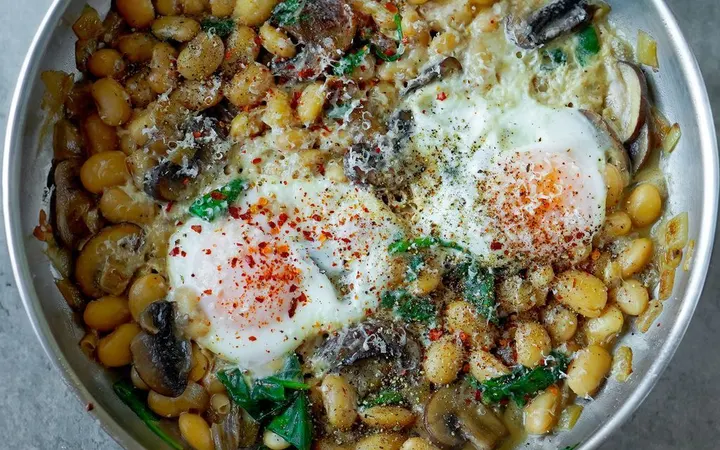
- Eggs baked in beans (2 eggs, ½ cup white beans), shakshuka style: about 20 g. Our white shakshuka is a good start.
Lunch
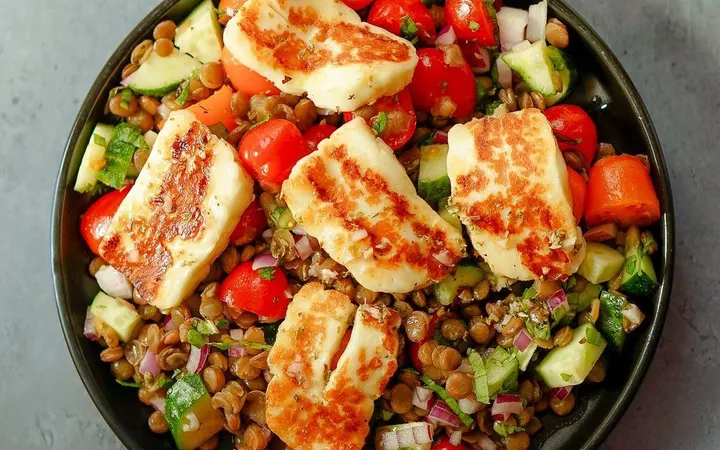
- Lentil and feta salad (1 cup lentils, 50 g feta): about 25 g. Our lentil salad works with or without the feta.
- Halloumi salad (80 g halloumi, ½ cup chickpeas): about 24 g. See fried halloumi salad.
- Egg and avocado toast (2 poached eggs, 2 slices wholegrain bread, 30 g feta): about 24 g. See poached eggs, avocado and feta toast.
- Black bean burrito bowl (1 cup black beans, ½ cup quinoa, 30 g cheese): about 26 g.
- Chickpea salad sandwich (1 cup mashed chickpeas, Greek yogurt dressing, wholegrain bread): about 27 g.
- Edamame and quinoa bowl (1 cup edamame, 1 cup quinoa) with soy-ginger dressing: about 26 g.
- Broccoli and cheddar soup with a bean side or a slice of cheese on toast: about 20 g. See broccoli cheddar soup.
Dinner
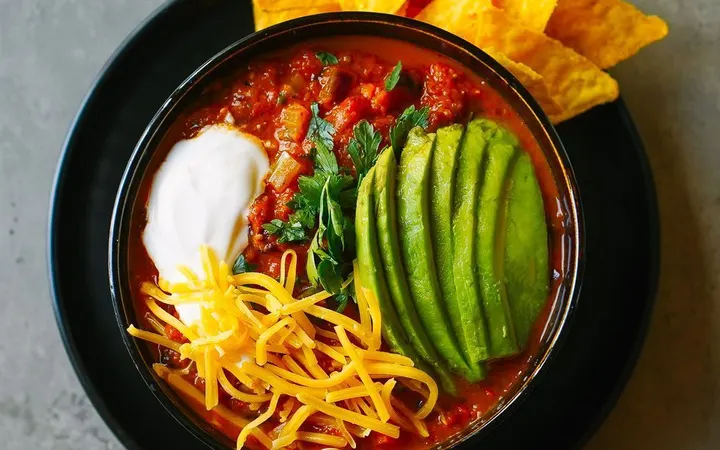
- Chili sin carne (1½ cups pinto and black beans) topped with 30 g cheddar and sour cream: about 28 g. See chili sin carne.
- Tofu stir-fry (150 g firm tofu, ½ cup edamame) with rice: about 32 g.
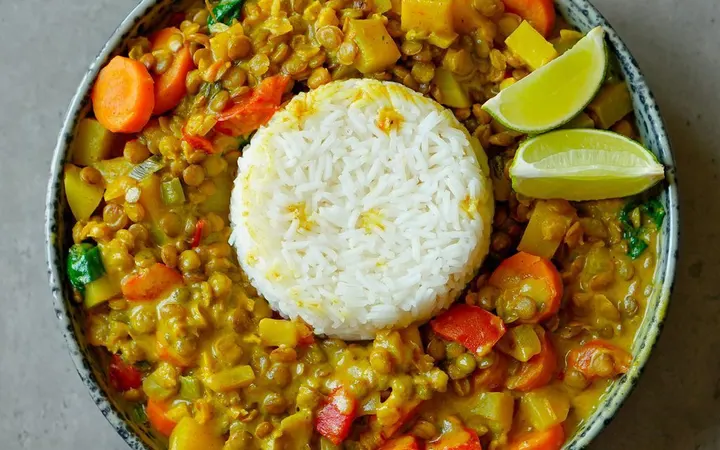
- Lentil curry (1 cup lentils) with rice and a yogurt raita: about 27 g. See Jamaican lentil curry or red lentil curry.
- Wholewheat pasta with ricotta and peas (1½ cups pasta, ½ cup ricotta, ½ cup peas): about 31 g.
- Tempeh tacos (100 g tempeh, black beans, cheese): about 30 g.
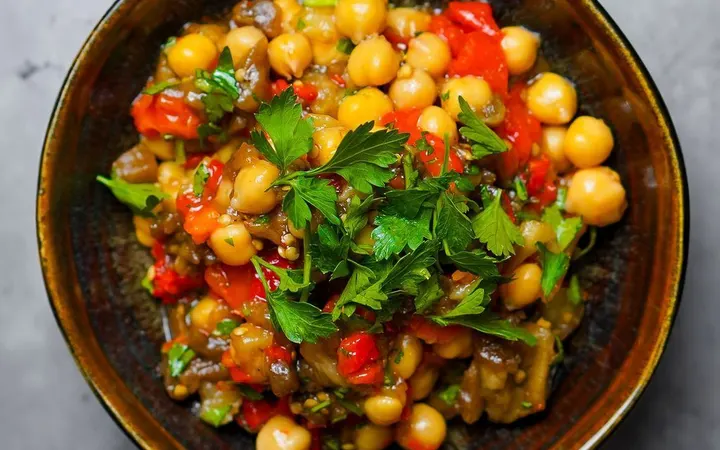
- Chickpea and eggplant tray bake (1 cup chickpeas) with feta and a yogurt dip: about 27 g. See roasted eggplant and chickpea salad.
- Paneer or halloumi skewers with a lentil pilaf: about 30 g.
- Frittata (4 eggs, vegetables, 40 g cheese) shared by two, with a bean salad: about 22 g per person.
Snacks
- Cottage cheese with fruit or cucumber (½ cup): about 12 g.
- Roasted chickpeas or dry-roasted edamame (30 g bag): about 6 g (chickpeas) to 13 g (edamame).
- Two hard-boiled eggs: about 13 g.
- Glass of milk or soy milk with a handful of almonds (1 cup + 30 g): about 14 g. Or try our brownie protein balls.
Five ways to add protein to any meal
- Swap the base: use Greek yogurt instead of sour cream, and lentil or chickpea pasta instead of regular pasta.
- Add a topping: hemp seeds, pumpkin seeds, toasted chickpeas or a little grated parmesan.
- Double up on legumes: add a can of beans or lentils to soups, curries and salads.
- Cook grains in milk (for oats) or serve quinoa instead of rice.
- Keep ready-to-eat protein in the fridge: boiled eggs, cottage cheese, tofu and cooked lentils.
Tips for a balanced vegetarian plate
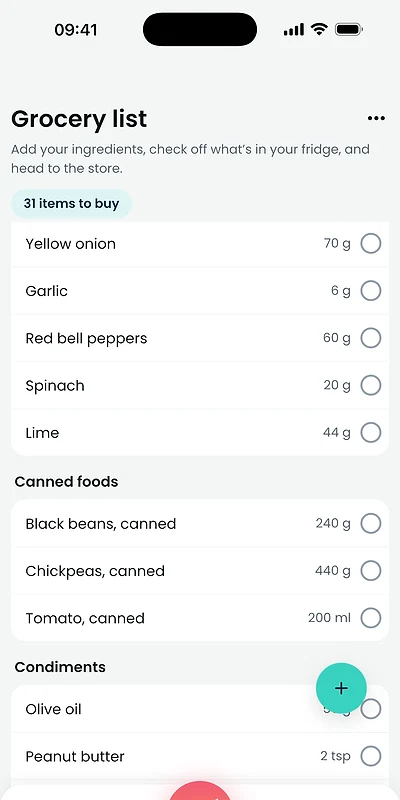
Protein is only one part of it. Fill half the plate with vegetables, a quarter with a protein food and a quarter with whole grains. Two nutrients need a little attention on a vegetarian diet: iron (beans, lentils, tofu, oats, leafy greens; eat them with vitamin C) and vitamin B12 (eggs, dairy or fortified foods, or a supplement). Our vegetarian grocery list helps you stock the kitchen for the week.
Frequently asked questions
What is the highest-protein vegetarian food?
Per serving, seitan, tempeh, cottage cheese, Greek yogurt, tofu, edamame and lentils are among the richest. Seitan has about 20–25 g of protein per 100 g, tempeh about 20 g and firm tofu about 15 g.
How can a vegetarian get 100 g of protein a day?
Spread it over the day: for example Greek yogurt with seeds at breakfast (about 25 g), a lentil and feta salad at lunch (about 25 g), tofu stir-fry with edamame at dinner (about 30 g), and cottage cheese or a glass of milk as snacks (about 20 g). Most people don't need 100 g; check your own target first.
Is it hard to get enough protein as a vegetarian?
No. Eggs, dairy, soy foods and legumes are all rich in protein, so a varied vegetarian diet easily meets the adult target of about 0.8 g per kilogram of body weight a day.
Do vegetarians need protein powder?
Usually not. Food covers most people's needs. Powder can be handy if you have a very high target, for example for strength training, but it isn't necessary.
Are eggs and dairy complete proteins?
Yes. Eggs, milk, yogurt and cheese contain all the essential amino acids, as do soy foods. Beans, lentils and grains complement each other over the day, so you don't need to combine them in one meal.
Recipes to try
Related guides


See your protein, and everything else
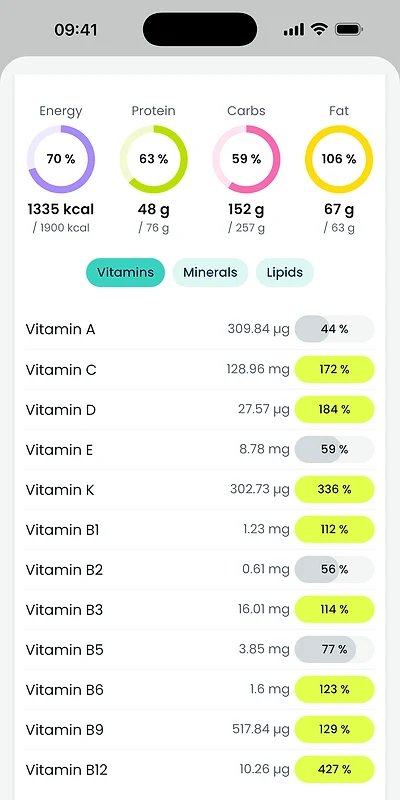
Plan these meals in Vegochef and see your protein next to 29 vitamins, minerals and lipids, against targets for your age, sex and goal.
Try it free for 7 days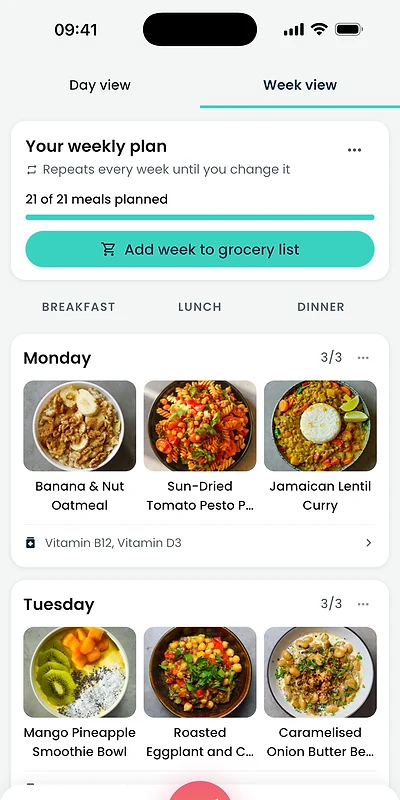
Sources
- National Academies of Medicine: Dietary Reference Intakes for protein (0.8 g per kg body weight for adults)
- USDA FoodData Central: protein in eggs, dairy, soy foods, legumes, nuts, seeds and grains (fdc.nal.usda.gov)
- Dietary Guidelines for Americans 2020–2025: healthy vegetarian eating pattern (dietaryguidelines.gov)
From vegochef.com: meal planner and nutrition tracker for vegans, vegetarians and pescatarians. Free for 7 days on the App Store.