 vegochef.com/guides/chickpeas-protein/
How much protein is in chickpeas?
 By the Vegochef team · Editorial standards · Last checked · 5 min read
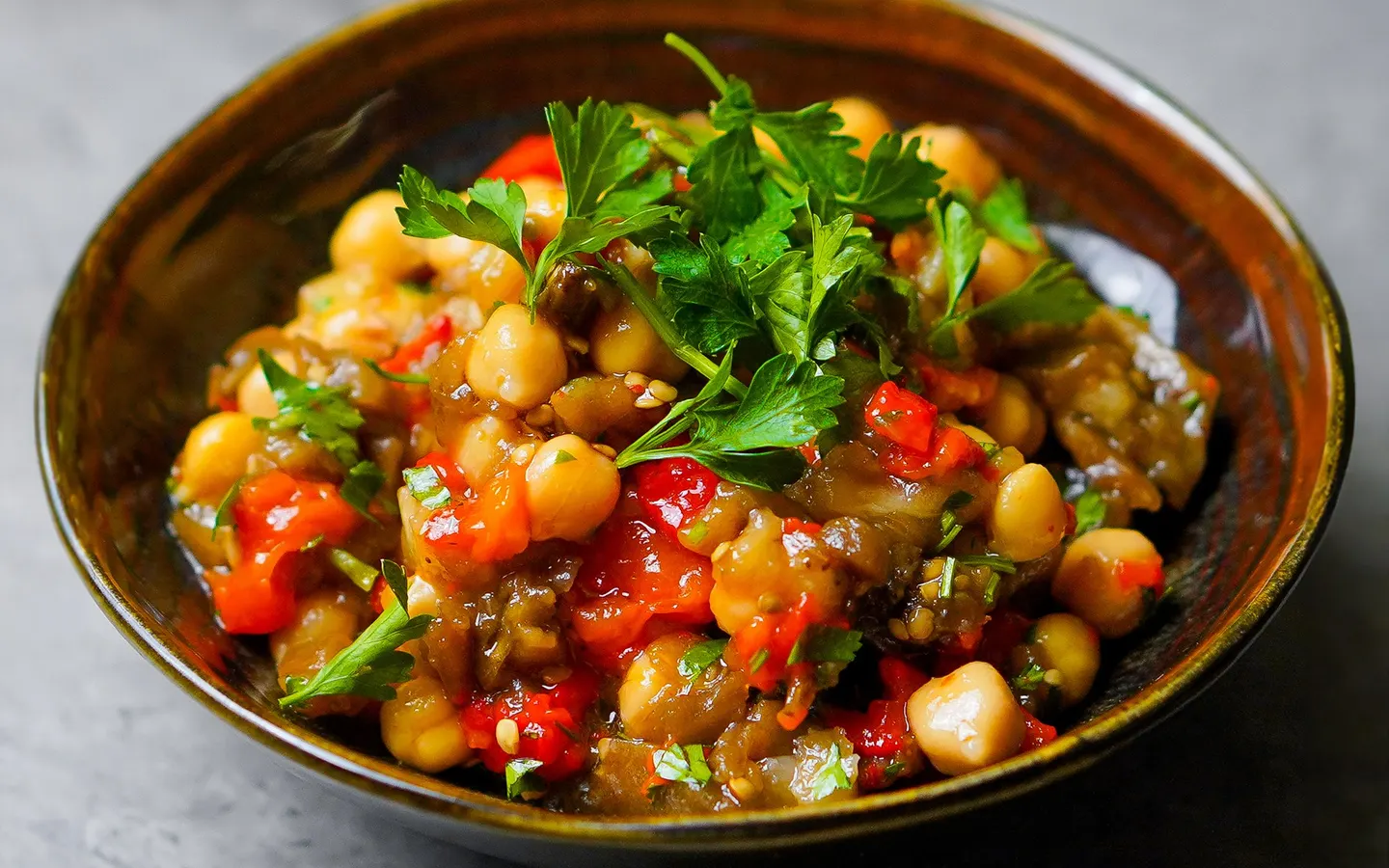
Chickpeas (also called garbanzo beans) turn up in curries, salads, hummus and roasted snacks, and they're one of the cheapest protein foods you can buy. Here's how much protein each form really contains, using data from the US Department of Agriculture.
Protein in chickpeas
| Chickpeas | Amount | Protein (approx.) |
|---|---|---|
| Cooked (boiled) | 1 cup (164 g) | 15 g |
| Cooked (boiled) | 100 g | 9 g |
| Canned, drained | 100 g | 7 g |
| Canned, drained | 15 oz (425 g) can, about 250 g drained | 17–19 g |
| Dry (uncooked) | 100 g | 20 g |
| Chickpea flour (besan) | 100 g | 22 g |
| Hummus | 2 tbsp (30 g) | 2.5 g |
Why dry chickpeas look higher: they roughly double in weight when cooked, because they absorb water. 100 g of dry chickpeas becomes about 220 g cooked, with the same 20 g of protein spread through it.
Chickpeas vs other legumes
Per cooked cup, from USDA FoodData Central.
| Legume (cooked) | 1 cup | Protein | Fibre |
|---|---|---|---|
| Edamame | 155 g | 18 g | 8 g |
| Lentils | 198 g | 18 g | 16 g |
| Split peas | 196 g | 16 g | 16 g |
| Kidney beans | 177 g | 15 g | 13 g |
| Black beans | 172 g | 15 g | 15 g |
| Chickpeas | 164 g | 15 g | 12 g |
Chickpeas sit right in the middle of the legume family for protein. Need more per bite? Add lentils, edamame or seitan to the mix.
Is that a lot of protein?
The adult target is about 0.8 g of protein per kilogram of body weight a day, or about 56 g for a 70 kg (154 lb) adult. A cup of chickpeas covers about a quarter of that. Work out your own number with our protein calculator. Combine them with a second protein food and a whole grain, and a single meal easily reaches 20–30 g.
More than protein
A cup of cooked chickpeas also gives you about 12 g of fibre (almost half the daily 28 g most adults are advised to eat), plus folate, iron, magnesium and zinc. Eating them with vitamin C, for example with tomatoes, peppers or a squeeze of lemon, helps your body absorb the iron. See iron-rich foods for vegetarians and vegans.
Easy ways to eat more chickpeas
- Roast them: toss drained chickpeas with oil and spices and bake at 200 °C (400 °F) for 25–30 minutes until crunchy.
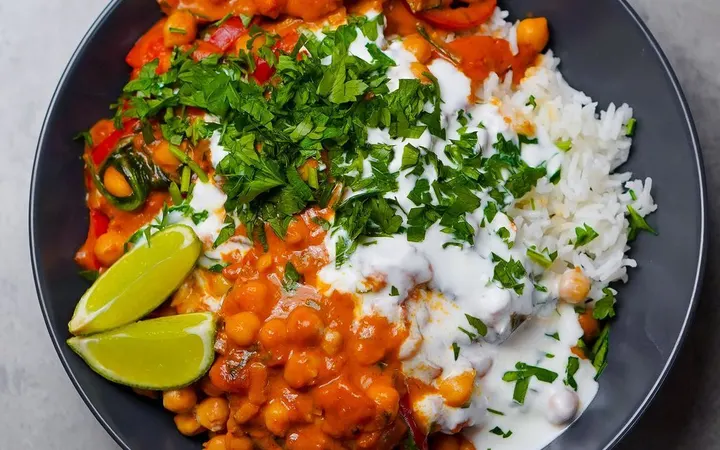
- Curry: simmer with tomatoes, coconut milk and spices. Try our chickpea curry.
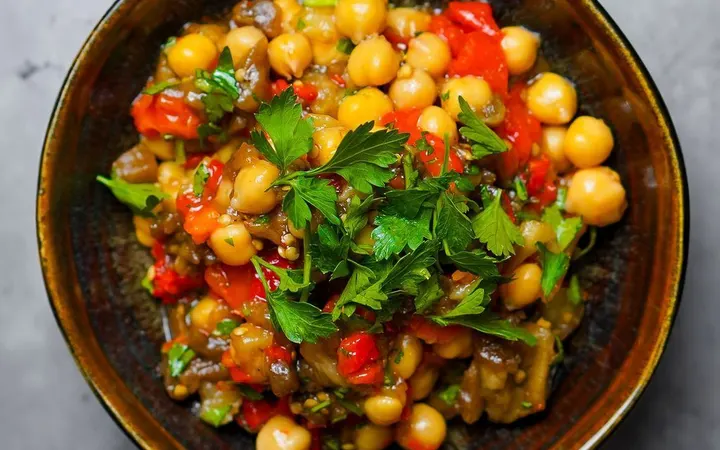
- Salads: add a cup to any salad. See our roasted eggplant and chickpea salad.
- Smash them: mash with Greek or soy yogurt, mustard and herbs for a sandwich filling.
- Bake with chickpea flour: use it for savoury pancakes or an egg-free omelette.
- Hummus: blend with tahini, lemon and garlic, and serve with vegetables or wholegrain bread.
Canned or dried?
Canned chickpeas are ready to use: rinse them to remove up to a third of the added salt. Dried chickpeas are cheaper and firmer. Soak them for 8–12 hours, then simmer for 1–1½ hours, or pressure-cook soaked chickpeas for about 12–15 minutes. Cook a big batch and freeze it in portions.
For more meal ideas, see high-protein vegan meals and high-protein vegetarian meals.
Frequently asked questions
Are chickpeas a good source of protein?
Yes. A cup of cooked chickpeas has about 15 g of protein, roughly a quarter of what a 70 kg adult needs in a day, plus about 12 g of fibre.
Are chickpeas a complete protein?
Not quite: they're lower in the amino acid methionine. Grains, nuts and seeds are rich in it, so eating them over the same day fills the gap. Hummus on wholegrain bread is a classic pair.
Do chickpeas or lentils have more protein?
Lentils, slightly: about 18 g per cooked cup, compared with about 15 g for chickpeas.
How much protein is in a can of chickpeas?
A standard 15 oz (425 g) can holds about 240–260 g of drained chickpeas, which is roughly 17–19 g of protein. Check the label: values vary by brand.
How much protein is in hummus?
About 2.5 g per 2 tablespoons (30 g), or about 8 g per 100 g. Hummus is a good snack, but a small portion isn't a big protein source on its own.
Recipes to try
Related guides


See what chickpeas add to your day
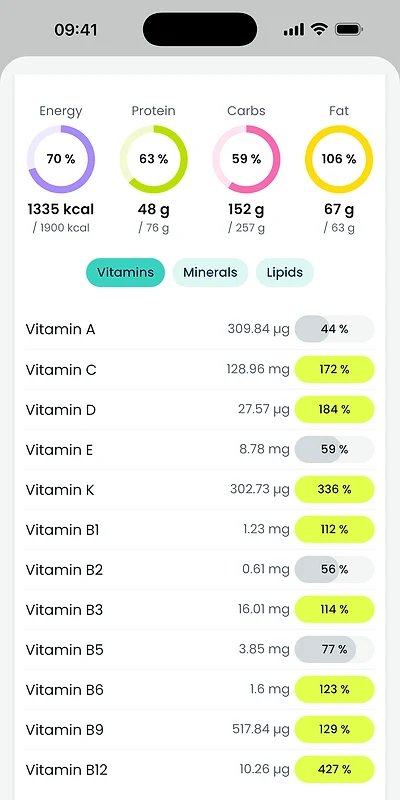
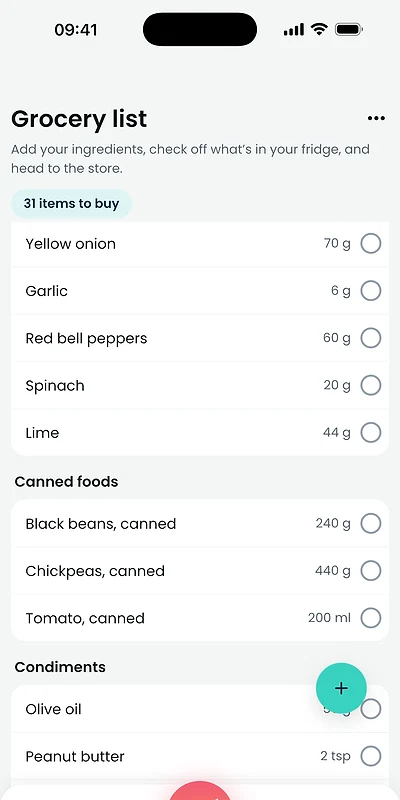
Plan your meals in Vegochef and see your daily protein next to 29 vitamins, minerals and lipids, against your targets.
Try it free for 7 days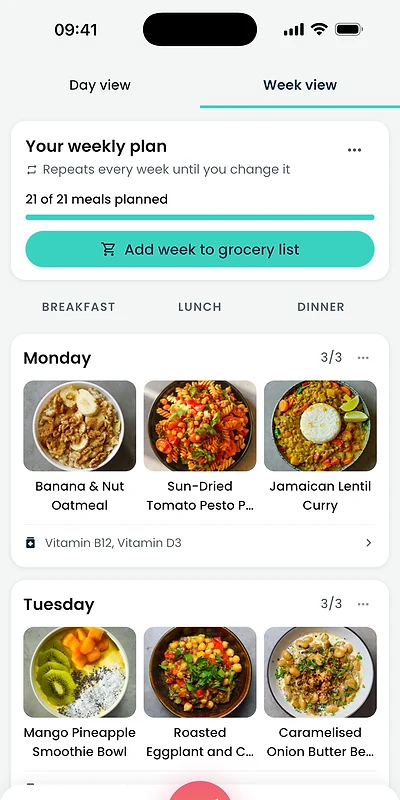
Sources
- USDA FoodData Central: chickpeas (garbanzo beans), mature seeds, raw, cooked (boiled, without salt) and canned (fdc.nal.usda.gov)
- USDA FoodData Central: hummus, commercial; chickpea flour (besan) (fdc.nal.usda.gov)
- National Academies of Medicine: Dietary Reference Intakes for protein
From vegochef.com: meal planner and nutrition tracker for vegans, vegetarians and pescatarians. Free for 7 days on the App Store.