 vegochef.com/guides/iron-rich-foods-vegetarian/
Iron-rich foods for vegetarians and vegans
 By the Vegochef team · Editorial standards · Last checked · 7 min read
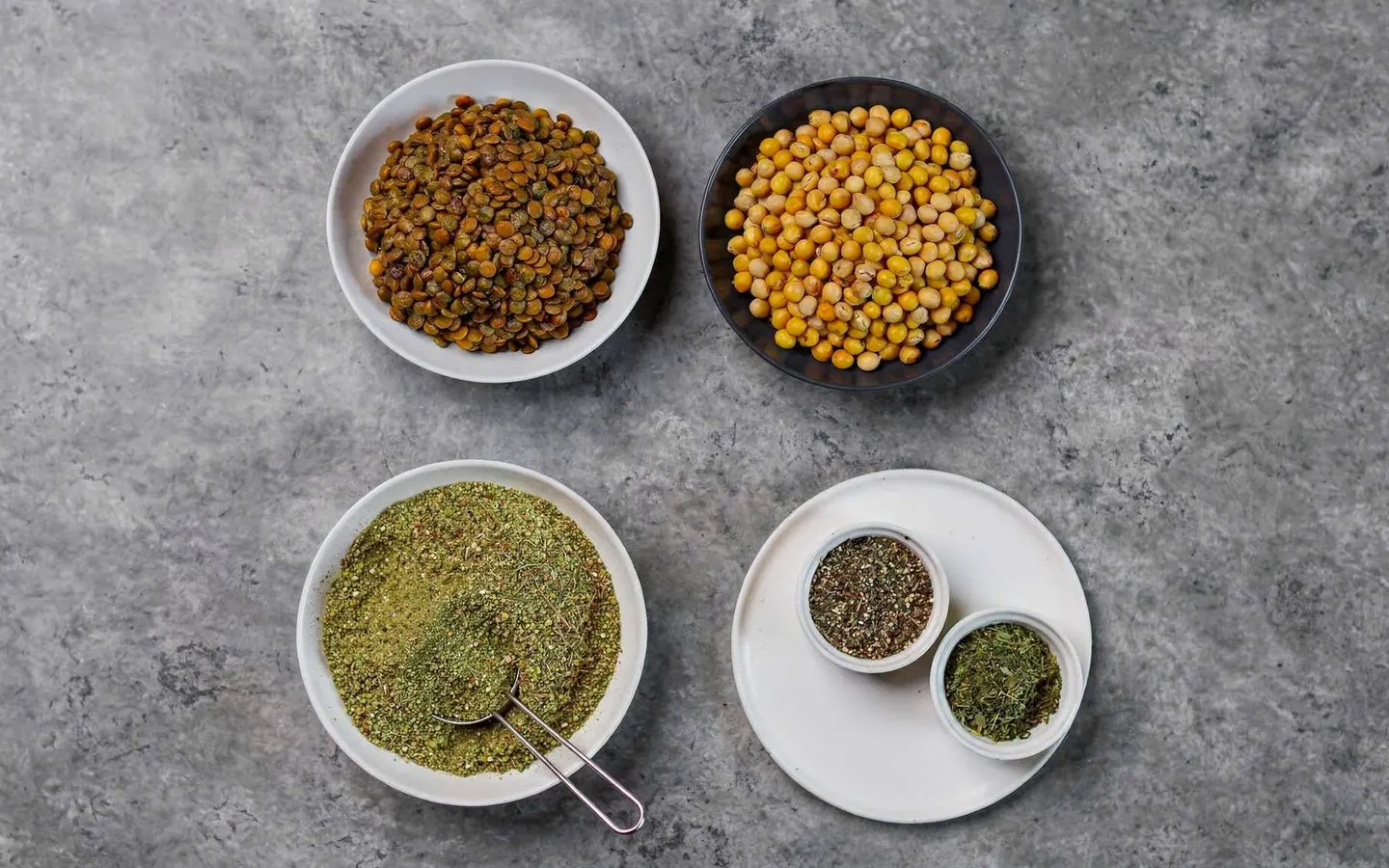
Iron carries oxygen around your body. Too little leaves you tired, pale and short of breath. The good news for vegetarians and vegans: many everyday plant foods are rich in iron. The catch is that plant iron is harder to absorb, so how you combine foods matters as much as what you eat.
How much iron do you need?
| Group | Daily target | Vegetarian or vegan target (×1.8) |
|---|---|---|
| Men 19+ | 8 mg | 14 mg |
| Women 19–50 | 18 mg | 32 mg |
| Women 51+ | 8 mg | 14 mg |
| Pregnancy | 27 mg | 49 mg |
| Breastfeeding (19+) | 9 mg | 16 mg |
These are the US National Academies of Medicine targets. Because plant iron is absorbed less well, the Academies set the target for vegetarians 1.8 times higher. That applies to vegans too: it covers anyone who eats no meat or fish, so all their iron is the less easily absorbed kind. Pescatarians get some easily absorbed iron from fish, so the standard targets fit them better. The 1.8 factor is an estimate based on average absorption; eating iron-rich foods the right way (below) helps you absorb more. The safe upper limit for adults is 45 mg a day, which matters mostly for supplements.
Two kinds of iron
- Heme iron is found in fish and seafood. Your body absorbs it fairly easily.
- Non-heme iron is found in plant foods, eggs and fortified foods. Your body absorbs a smaller share of it, and how much depends on what else is in the meal.
Vegetarian and vegan diets often contain as much iron as mixed diets, or more. But because it's all or almost all non-heme iron, vegetarians tend to have lower iron stores, which is why absorption tips matter.
The best vegetarian and vegan iron sources
Approximate values per serving, from the NIH Office of Dietary Supplements and USDA FoodData Central:
| Food | Serving | Iron |
|---|---|---|
| Soybeans, boiled | 1 cup | 8.8 mg |
| White beans (cannellini, great northern, navy), canned | 1 cup | 8 mg |
| Dark chocolate, 45–69% cocoa | 3 oz (85 g) | 7 mg |
| Swiss chard, boiled | 1 cup | 4 mg |
| Edamame, cooked | 1 cup | 3.5 mg |
| Lentils, boiled | ½ cup | 3 mg |
| Spinach, boiled | ½ cup | 3 mg |
| Tofu, firm | ½ cup | 3 mg |
| Quinoa, cooked | 1 cup | 2.8 mg |
| Pumpkin seeds, roasted | 1 oz (28 g) | 2.3 mg |
| Kidney beans, canned | ½ cup | 2 mg |
| Chickpeas, boiled | ½ cup | 2 mg |
| Tomatoes, canned, stewed | ½ cup | 2 mg |
| Potato, baked, with skin | 1 medium | 2 mg |
| Cashews, roasted | 1 oz (28 g) | 2 mg |
| Green peas, boiled | ½ cup | 1 mg |
| Broccoli, boiled | ½ cup | 1 mg |
| Wholewheat bread | 1 slice | 1 mg |
For vegetarians and pescatarians: one large egg has about 1 mg, and canned sardines about 2 mg per 3 oz (85 g), in the easily absorbed heme form.
Iron-rich vegetables
If you're looking for vegetables in particular, these give you the most:
- Swiss chard and spinach: about 3–4 mg per cooked portion. Cooking shrinks them, so a cooked half cup holds the iron of several raw cups.
- Potatoes with the skin: about 2 mg in a medium baked potato.
- Tomato products: canned tomatoes and tomato paste are more concentrated than fresh tomatoes, and come with vitamin C.
- Green peas, broccoli, kale and Brussels sprouts: about 1 mg per portion, plus vitamin C that helps you absorb iron from the rest of the meal.
- Edamame (young soybeans) count as a vegetable in many kitchens: about 3.5 mg per cooked cup. See protein in edamame.
Spinach and chard contain oxalates, which reduce how much iron you absorb from them. They still help, but beans, lentils and tofu are the steadier sources.
Iron-rich fruits, nuts, seeds and grains
Smaller amounts, but easy to add to breakfasts and snacks every day (USDA and NIH values):
- Dried fruit: dried apricots (about 1.7 mg per ½ cup), dried figs (about 1.5 mg per ½ cup) and raisins (about 1 mg per ¼ cup). Fresh fruit has little iron, but citrus, kiwi and berries bring the vitamin C that helps you absorb it.
- Seeds: hemp seeds (about 2.4 mg in 3 tablespoons), pumpkin seeds (about 2.3 mg per ounce), tahini (about 1.3 mg per tablespoon) and sunflower seeds (about 1 mg per ounce).
- Nuts: cashews (about 2 mg per ounce), almonds and pistachios (about 1 mg per ounce).
- Grains: quinoa (about 2.8 mg per cooked cup), oatmeal (about 2 mg per cooked cup) and wholewheat bread (about 1 mg per slice).
Hemp protein powder and dried herbs
Two easy extras that many people overlook:
- Hemp protein powder: made from ground hemp seeds, it brings iron along with its protein. The amount varies by brand, so check the label; stir a scoop into smoothies, oats or chia pudding.
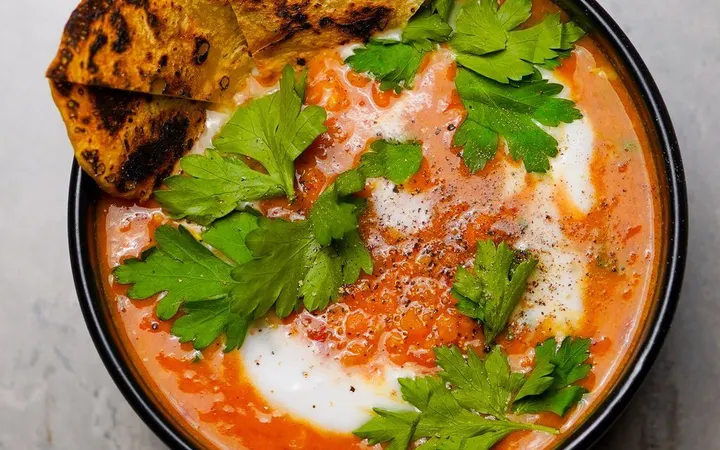
- Dried thyme and basil: gram for gram, dried herbs are among the most iron-rich foods there are. A teaspoon of ground dried thyme has about 1.7 mg and a teaspoon of dried basil about 0.6 mg. You won't eat them by the spoonful, but a generous pinch in lentil soups, bean stews and tomato sauces adds up, and the tomatoes bring vitamin C to help you absorb it.
How to absorb more iron from plants
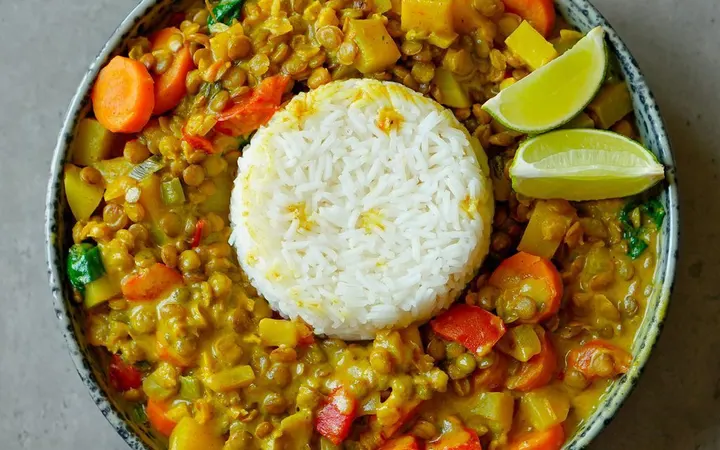
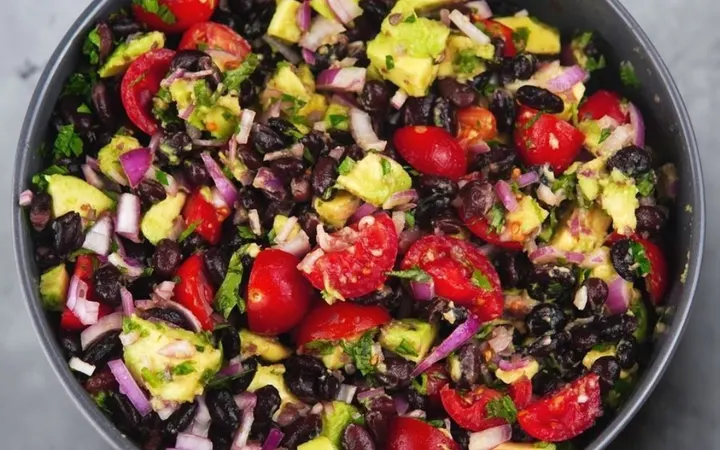
- Add vitamin C to iron-rich meals. Vitamin C can multiply the iron you absorb from plant foods. Peppers, tomatoes, broccoli, citrus fruit, kiwi and strawberries all work: lentil curry with tomatoes, beans with salsa and lime, oats with strawberries.
- Keep tea and coffee between meals. Their polyphenols reduce iron absorption. Wait at least an hour after an iron-rich meal.
- Soak, sprout and ferment. Phytates in whole grains and legumes bind iron. Soaking dried beans, sprouting, and fermented foods like tempeh and sourdough bread reduce them.
- Don't take calcium with your iron. Calcium supplements and very calcium-rich foods can reduce iron absorption at the same meal. Spread them across the day.
- Cook in cast iron. Cooking acidic foods, like tomato sauce, in a cast-iron pan can add a little iron to the food.
A day of iron-rich vegan meals
- Breakfast: oats with pumpkin seeds and strawberries.
- Lunch: lentil salad with tomatoes and lemon.
- Snack: a few squares of dark chocolate and an orange.
- Dinner: Jamaican lentil curry with spinach and lime, or a tofu stir-fry with broccoli and peppers.
A day like this can bring around 15 mg of iron, with vitamin C at every meal to help absorb it.
Signs of low iron, and when to test
Common signs are tiredness, pale skin, feeling cold, shortness of breath, headaches and brittle nails. They're common to many things, so don't guess: ask your doctor for a blood test that includes ferritin, which shows your iron stores. Women with heavy periods, pregnant women, frequent blood donors and endurance athletes are most at risk, whatever they eat.
Don't take iron supplements "just in case". Iron builds up in the body, and high doses cause constipation and nausea. If you take a multivitamin plus a separate iron supplement, check the total against the 45 mg upper limit. Our guide to vegan supplements explains which ones most plant-based eaters do need.
Frequently asked questions
Which vegetarian food is highest in iron?
Cooked soybeans and white beans are near the top, with about 8–9 mg per cup. Dark chocolate, Swiss chard, edamame, lentils, spinach and tofu follow with about 3–7 mg per serving. Gram for gram, dried thyme and basil are even richer, but you only use a teaspoon.
Can vegetarians and vegans get enough iron?
Yes. Plant-based diets usually contain as much iron as mixed diets, or more. It's absorbed less easily, so the trick is to eat iron-rich foods every day with a source of vitamin C, and to have tea and coffee between meals.
Which vegetables are highest in iron?
Swiss chard and spinach (about 3–4 mg per cooked half cup to cup), potatoes with the skin, peas, tomato paste and canned tomatoes, broccoli and kale. Cooking leafy greens shrinks them, so a cooked portion holds far more iron than a raw one.
Does spinach have a lot of iron?
Cooked spinach has about 3 mg per half cup, but it also contains oxalates, which reduce how much you absorb. It still helps, especially with lemon juice or tomatoes, but beans, lentils and tofu are more reliable sources.
Should I take an iron supplement?
Only if a blood test shows you need it. Too much iron causes constipation and nausea, and the adult upper limit is 45 mg a day. If you're tired, pale or short of breath, ask your doctor to check your iron and ferritin.
Does coffee or tea block iron absorption?
Yes. Polyphenols in tea and coffee can reduce how much plant iron you absorb from a meal. Drink them at least an hour before or after iron-rich meals.
Recipes to try
Related guides

See your iron every day
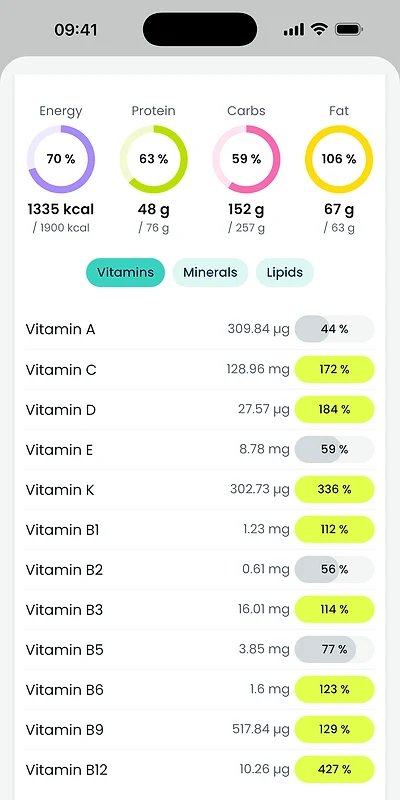
Vegochef tracks iron with 28 other vitamins, minerals and lipids against targets for your age and sex, adds up food and supplements, and warns you if you pass the upper limit.
Try it free for 7 days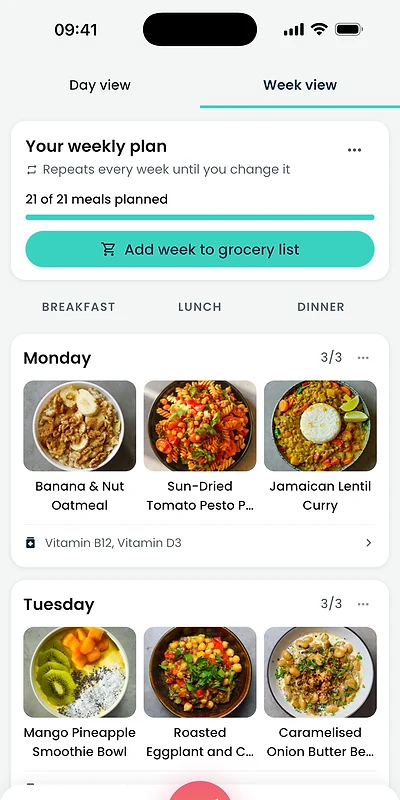
Sources
- NIH Office of Dietary Supplements: Iron fact sheet for health professionals (ods.od.nih.gov)
- National Academies of Medicine: Dietary Reference Intakes for iron, including the higher target for vegetarians
- USDA FoodData Central (fdc.nal.usda.gov)
From vegochef.com: meal planner and nutrition tracker for vegans, vegetarians and pescatarians. Free for 7 days on the App Store.