 vegochef.com/guides/vegan-multivitamin/
Are multivitamins worth it for vegans and vegetarians?
 By the Vegochef team · Editorial standards · Last checked · 6 min read
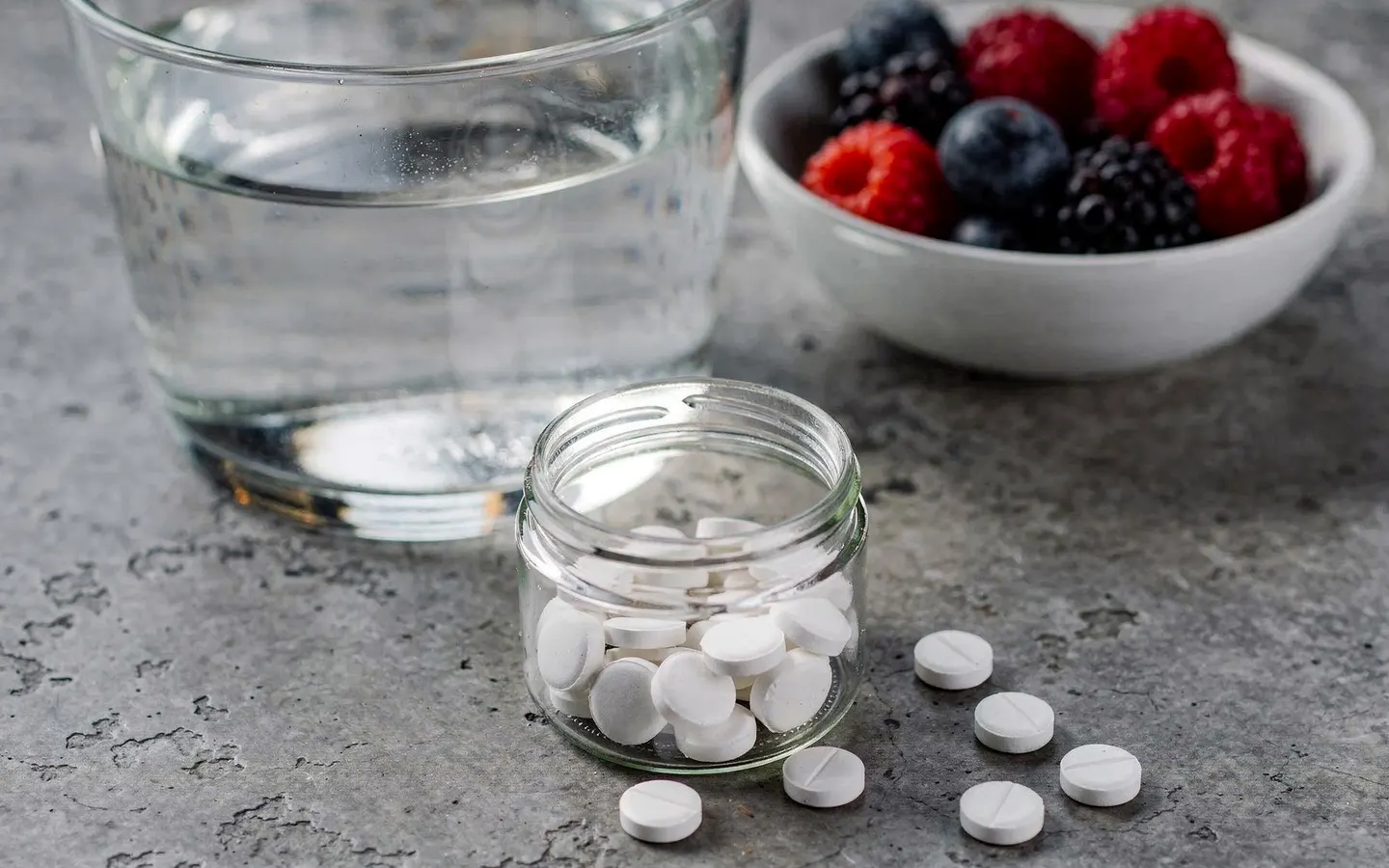
"Vegan multivitamin" is one of the most searched supplement terms, and the shelves are full of them. But a multivitamin isn't automatically the best choice. Here's how to decide whether you need one, and what to look for if you do.
What most vegans actually need
- Vitamin B12: essential for every vegan, from a supplement or fortified foods. See our vegan supplements guide.
- Vitamin D: worth taking in autumn and winter if you live far from the equator, for everyone, not just vegans. See vegan vitamin D.
- Everything else: usually from a varied diet with beans, lentils, whole grains, nuts, seeds, vegetables and fortified plant milk.
For many people, a B12 supplement plus vitamin D in winter is simpler and cheaper than a full multivitamin.
When a multivitamin can make sense
- Your diet is limited or irregular, for example during a busy period or while you're still learning to plan plant-based meals.
- You'd rather take one tablet than several.
- A doctor or dietitian has recommended one for you.
A multivitamin doesn't replace a balanced diet: it fills small gaps, it doesn't cover big ones.
What a good vegan multivitamin contains
- Vitamin B12, ideally at least 10 µg if you take it daily (the Vegan Society's suggestion for a daily supplement).
- Vitamin D, as D2 or vegan D3 from lichen.
- A vegan label or certification: some vitamin D3 comes from sheep's wool, and some capsules are made from gelatin.
What to check against the upper limits
More isn't better. The US National Academies of Medicine set tolerable upper intake levels (ULs) for adults, and supplements are the usual reason people go over them:
| Nutrient | Adult upper limit | Why it matters |
|---|---|---|
| Vitamin A (preformed, retinol) | 3,000 µg a day | Too much can harm the liver and, in pregnancy, the baby. Beta-carotene from plants doesn't count towards this limit. See foods high in vitamin A |
| Iron | 45 mg a day | Too much causes stomach upset and, over time, can build up in the body |
| Zinc | 40 mg a day | Too much can lower copper levels |
| Vitamin D | 100 µg (4,000 IU) a day | Very high doses over time can raise calcium levels in the blood |
If you also take single supplements, add them up. Don't take extra iron unless a blood test shows you need it.
Vegetarian multivitamins
Vegetarians who eat eggs and dairy are in a slightly different position from vegans:
- Vitamin B12: eggs, milk, yogurt and cheese provide it. If you eat them daily, you may not need extra B12. If you eat little dairy and few eggs, a supplement or fortified foods help, as for vegans.
- Vitamin D: the same as for everyone: in autumn and winter, many people far from the equator need a supplement. See vegan vitamin D, which applies to vegetarians too.
- Iron: vegetarians get only plant (non-heme) iron, so it's worth eating beans, lentils, tofu and greens with vitamin C. Don't take a multivitamin with extra iron unless a blood test shows you need it.
- Omega-3: without fish, consider ALA from walnuts, flax and chia, or an algae oil. More in vegan omega-3.
What to look for in a vegetarian multivitamin: vitamin B12 and vitamin D, a vegetarian capsule (many capsules are made from gelatin, which isn't vegetarian), and no high doses of iron, zinc or preformed vitamin A. Look for "suitable for vegetarians" or a vegetarian or vegan certification on the label.
How to decide
- Track a typical week of meals to see what your food already covers.
- Start with B12 (and vitamin D in winter).
- Choose a multivitamin only if it fills a real gap, and check the label against the upper limits.
- Ask your doctor for a blood test if you're unsure, and before starting supplements if you're pregnant, breastfeeding or take medication.
Frequently asked questions
Do multivitamins work?
They can fill small gaps in your diet, but research in healthy adults hasn't shown that multivitamins prevent chronic disease. For vegans, the key is making sure B12 (and vitamin D in winter) is covered.
Is it good to take a multivitamin every day?
It's generally safe at standard doses, but not necessary for everyone. Check the label against the upper limits, especially if you also take single supplements.
Do vegetarians need a multivitamin?
Usually not. Vegetarians who eat eggs and dairy regularly get vitamin B12 from them. A multivitamin can help if you eat few eggs and dairy, or as a convenient way to get vitamin D in winter. Check that it contains B12 and that the capsule is vegetarian.
What should a vegan multivitamin contain?
Vitamin B12 and vitamin D (as D2 or vegan D3), in a vegan capsule or tablet. Avoid high doses of preformed vitamin A, iron or zinc unless a doctor recommends them.
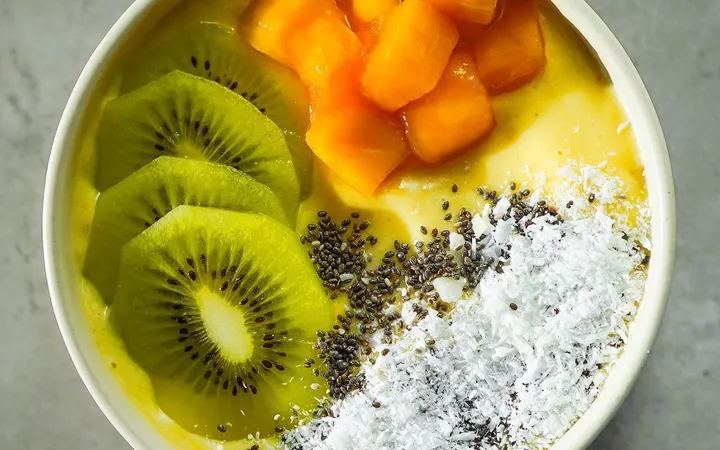
Recipes to try


Related guides


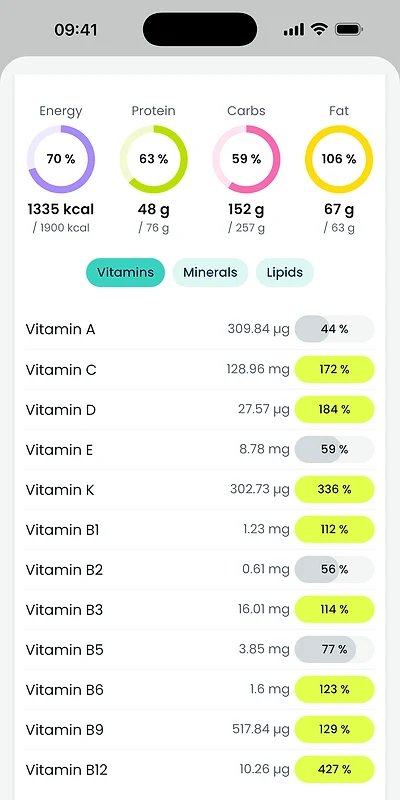
Add your multivitamin, see the total
Add your multivitamin to Vegochef with the amounts from its label. Your food and supplements add up in one daily total, with a warning if anything passes its upper limit.
Try it free for 7 days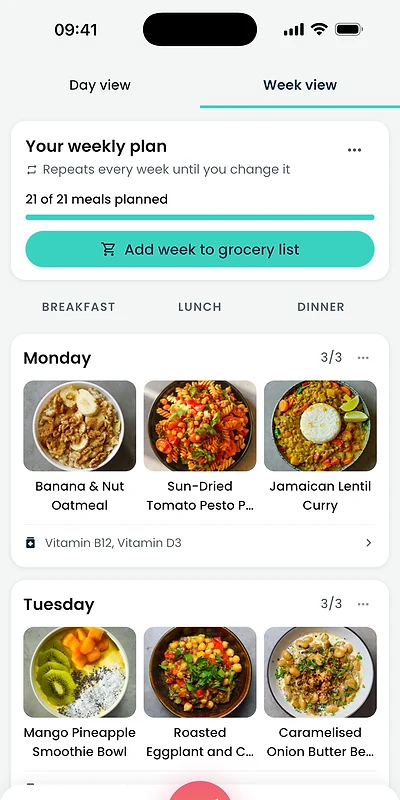
Sources
- NIH Office of Dietary Supplements: Multivitamin/mineral supplements fact sheet (ods.od.nih.gov)
- NIH Office of Dietary Supplements: vitamin B12, vitamin D, iron, zinc and vitamin A fact sheets
- National Academies of Medicine: Dietary Reference Intakes, tolerable upper intake levels
- The Vegan Society: vitamin B12 recommendations (vegansociety.com)
From vegochef.com: meal planner and nutrition tracker for vegans, vegetarians and pescatarians. Free for 7 days on the App Store.