 vegochef.com/guides/vegan-omega-3/
Vegan omega-3: plant sources and algae oil
 By the Vegochef team · Editorial standards · Last checked · 6 min read
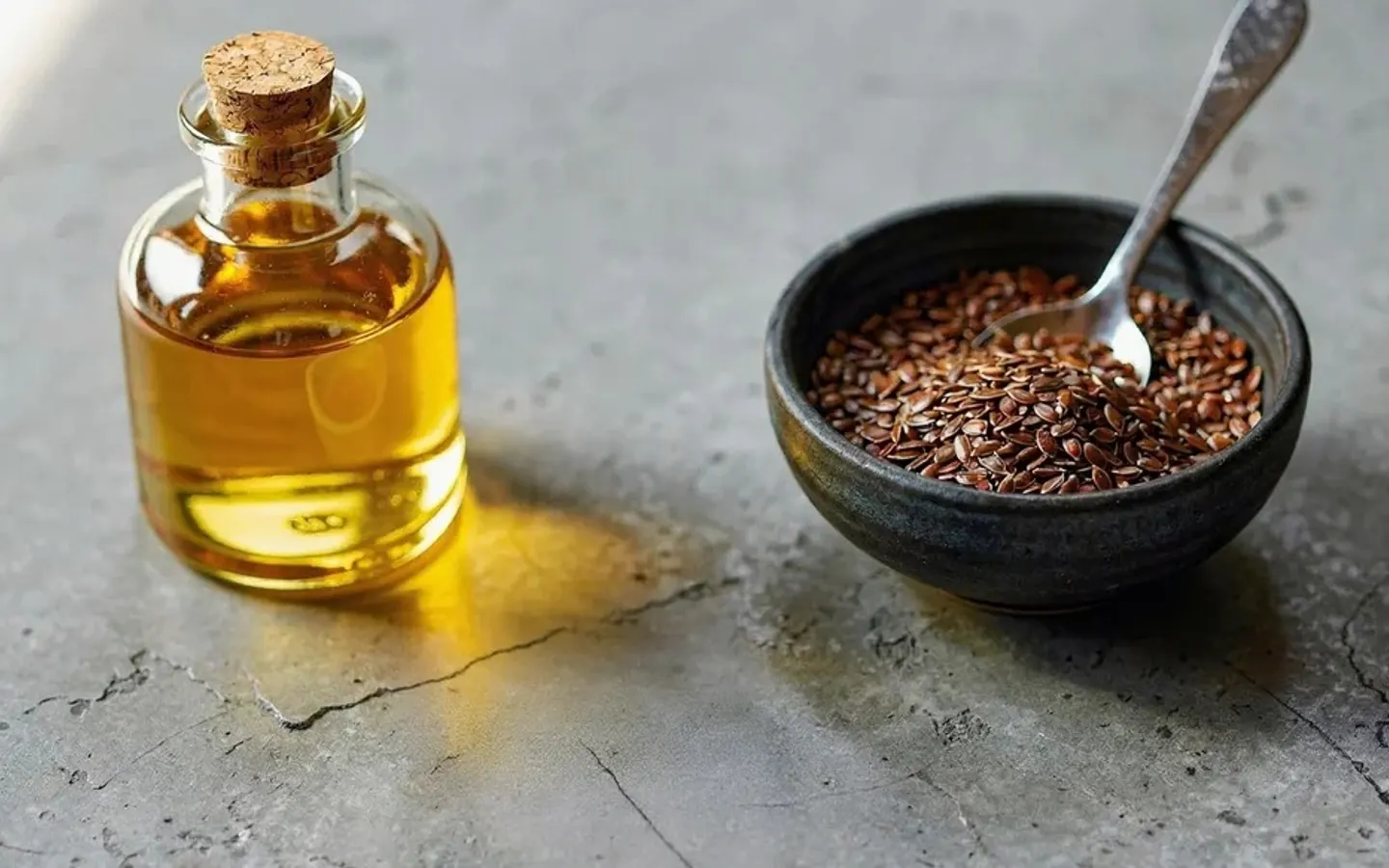
Omega-3s are fats your body needs for your heart, brain and eyes. Many people associate them with fish, but fish don't make omega-3s themselves: they get them from algae. On a plant-based diet you can get omega-3s from seeds, nuts and algae directly.
The three omega-3s
- ALA (alpha-linolenic acid): found in plants. It's an essential fat: your body can't make it, so it has to come from food.
- EPA and DHA: the long-chain omega-3s found in fish and algae. Your body can make some EPA and DHA from ALA, but only a small amount.
How much omega-3 do you need per day?
The US National Academies of Medicine set an adequate intake for ALA of 1.6 g a day for men and 1.1 g a day for women. There's no official daily target for EPA and DHA.
Plant foods high in omega-3
According to the NIH, these foods are among the richest sources of ALA:
| Food | Serving | ALA (approx.) |
|---|---|---|
| Flaxseed oil | 1 tablespoon | 7.3 g |
| Chia seeds | 1 ounce (28 g) | 5.1 g |
| Walnuts | 1 ounce (28 g) | 2.6 g |
| Flaxseed | 1 tablespoon | 2.4 g |
Source: NIH Office of Dietary Supplements. Hemp seeds, soybeans and tofu add smaller amounts.
Tip: grind whole flaxseeds (or buy them ground). Whole seeds often pass through without being digested.
What about EPA and DHA?
Because your body converts only a small part of ALA into EPA and DHA, many plant-based eaters choose an algae oil supplement. It's the same source of EPA and DHA that fish rely on, without the fish.
If you're thinking about one:
- Look for "algae oil" or "algal oil" with EPA and DHA listed on the label.
- Check the capsule: many fish oil and some algae oil capsules are made from gelatin. Look for a vegan capsule.
- Talk to your doctor first if you take blood-thinning medication or are pregnant or breastfeeding.
Easy ways to get your omega-3 every day
- Drizzle flaxseed oil over salads, grain bowls or cooked vegetables. One tablespoon has about 7 g of ALA, more than a full day's needs. Use it cold: heat damages it.
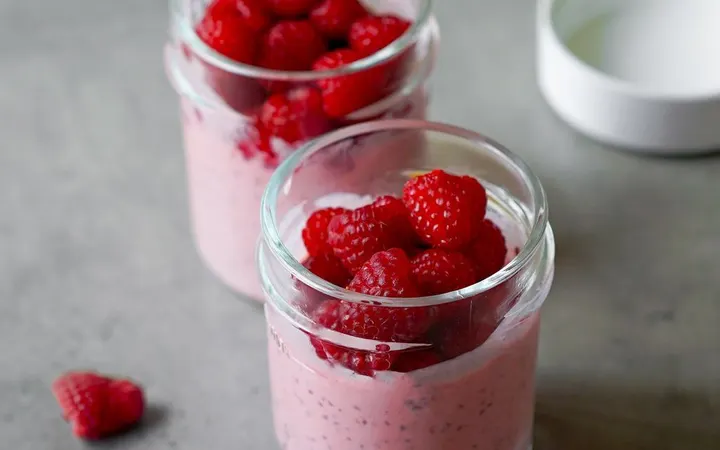
- Stir ground flaxseed or chia into oats, smoothies or yogurt.
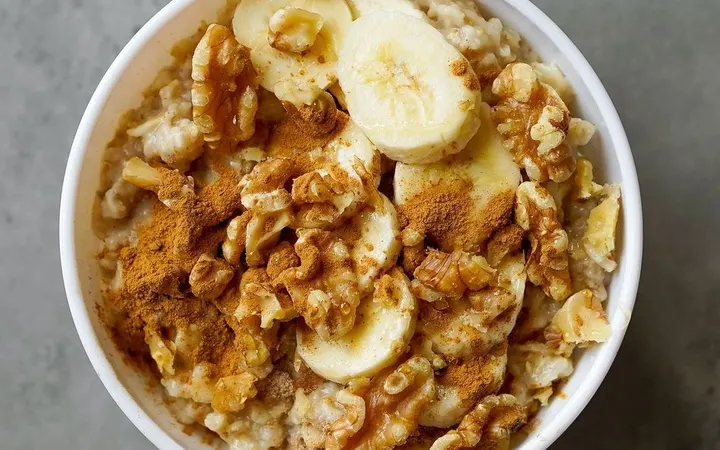
- Add a handful of walnuts to salads or as a snack.
- Top bowls with hemp seeds.
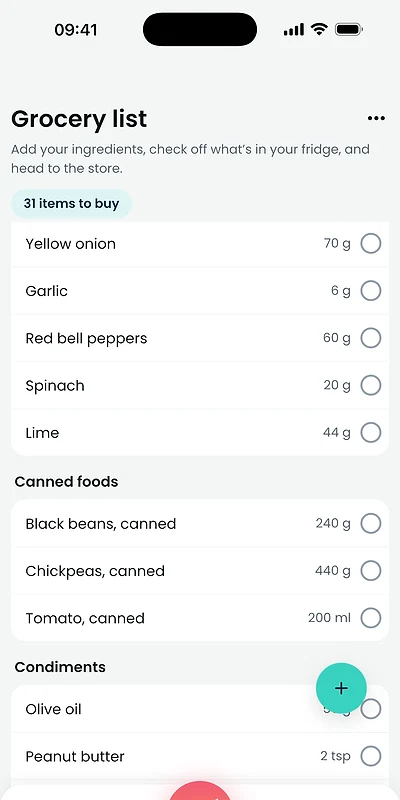
For a full list of the plant-based staples worth keeping at home, see our vegan grocery list.
Frequently asked questions
What does omega-3 do?
Omega-3 fats are part of every cell membrane in your body. They support your heart, brain and eyes, and your body uses them to make signalling molecules involved in inflammation.
What foods have omega-3?
Plant foods with omega-3 (ALA) include flaxseed and flaxseed oil, chia seeds, walnuts, hemp seeds and soy foods. Fatty fish and algae contain EPA and DHA.
Can vegans take fish oil?
No, fish oil comes from fish. Vegans can take algae oil instead, which contains EPA and DHA from the same source fish get them.
Is algae oil as good as fish oil?
Algae oil supplements provide EPA and DHA, the same long-chain omega-3s found in fish oil. The amounts vary between products, so check the label.
Recipes to try
Related guides


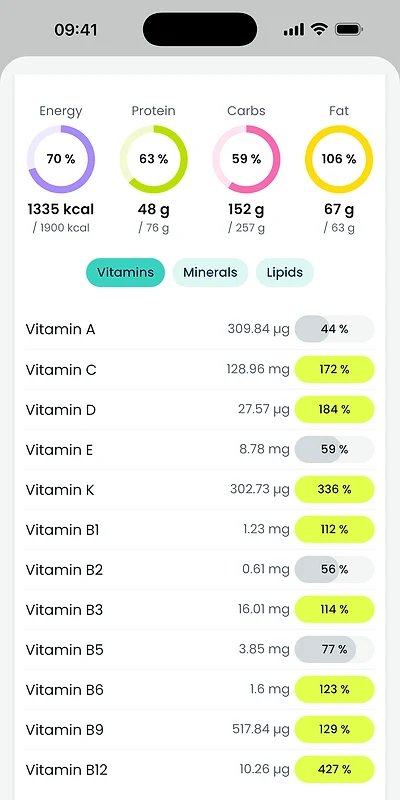
Track omega-3 with everything else
Vegochef shows omega-3 and omega-6 from your meals and supplements, next to your daily targets.
Try it free for 7 days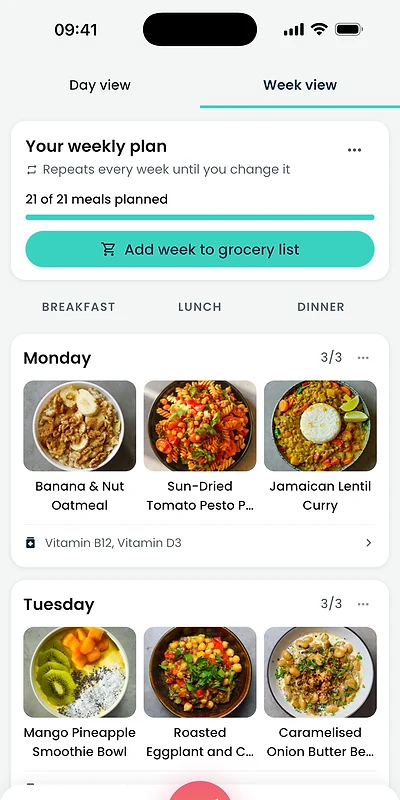
Sources
- NIH Office of Dietary Supplements: Omega-3 fatty acids fact sheet for health professionals (ods.od.nih.gov)
- National Academies of Medicine: Dietary Reference Intakes for fatty acids (adequate intake for ALA)
- The Vegan Society: omega-3 and omega-6 fats (vegansociety.com)
From vegochef.com: meal planner and nutrition tracker for vegans, vegetarians and pescatarians. Free for 7 days on the App Store.