 vegochef.com/guides/calcium-without-dairy/
Calcium without dairy
 By the Vegochef team · Editorial standards · Last checked · 7 min read
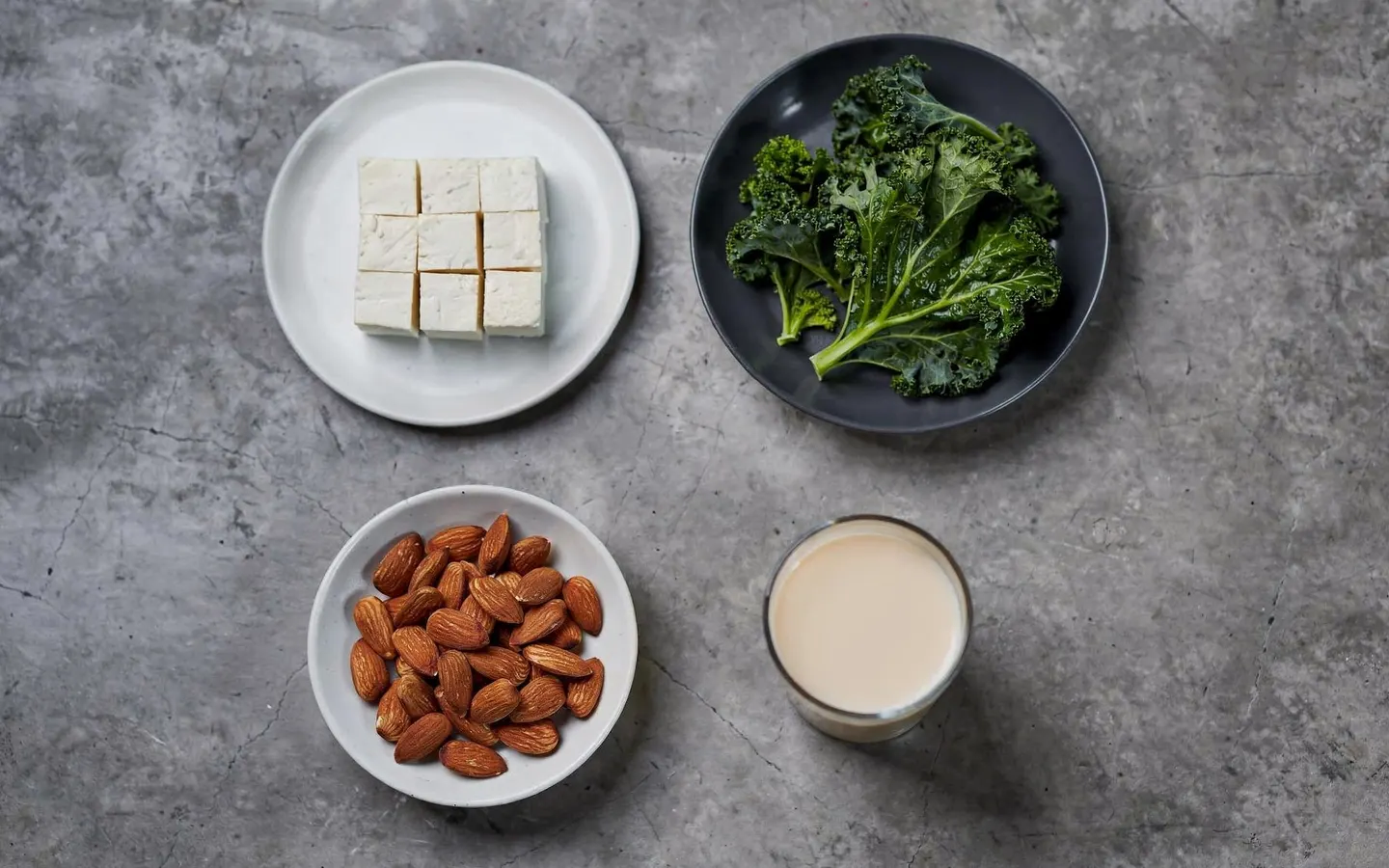
Calcium builds and keeps your bones and teeth strong, and helps your muscles, nerves and heart work. Dairy is the best-known source, but it's far from the only one. Whether you're vegan, lactose intolerant or simply eating less dairy, you can reach your target with plants and a few fortified foods.
How much calcium do you need?
| Group | Daily target | Upper limit |
|---|---|---|
| Adults 19–50 | 1,000 mg | 2,500 mg |
| Men 51–70 | 1,000 mg | 2,000 mg |
| Women 51+ | 1,200 mg | 2,000 mg |
| Everyone 71+ | 1,200 mg | 2,000 mg |
| Teens 14–18 | 1,300 mg | 3,000 mg |
These are the US National Academies of Medicine targets. For comparison, a cup of cow's milk has about 300 mg.
The best non-dairy and vegan calcium sources
Approximate values per serving, from the NIH Office of Dietary Supplements and USDA FoodData Central. Fortified products vary by brand, so check the label.
| Food | Serving | Calcium |
|---|---|---|
| Orange juice, calcium-fortified | 1 cup | 349 mg |
| Soy milk, calcium-fortified | 1 cup | 299 mg |
| Collard greens, boiled | 1 cup | 268 mg |
| Tofu, firm, made with calcium sulfate | ½ cup | 253 mg |
| Chia seeds | 1 oz (28 g) | 179 mg |
| Navy beans, boiled | 1 cup | 126 mg |
| Dried figs | ½ cup | 120 mg |
| Turnip greens, boiled | ½ cup | 99 mg |
| Edamame, cooked | 1 cup | 98 mg |
| Kale, cooked | 1 cup | 94 mg |
| Almonds | 1 oz (28 g) | 76 mg |
| Bok choy (pak choi), raw, shredded | 1 cup | 74 mg |
| Tahini (sesame paste) | 1 tbsp | 64 mg |
| Broccoli, raw | ½ cup | 21 mg |
For vegetarians and pescatarians who eat some animal foods: canned sardines with their bones have about 325 mg per 3 oz (85 g), and canned salmon with bones about 180 mg. Yogurt and cheese are rich in calcium if you eat dairy in smaller amounts.
It's not just how much, but how much you absorb
Your body doesn't absorb all the calcium in a food. Two things make the biggest difference:
- Oxalates. Spinach, Swiss chard and beet greens are high in oxalates, which bind calcium. You absorb only about 5% of the calcium in spinach.
- Low-oxalate greens are the stars. Kale, bok choy, broccoli, collards and turnip greens have little oxalate. You absorb around half of their calcium, more than the roughly 30% you absorb from milk.
Calcium-set tofu and calcium-fortified soy milk are absorbed about as well as cow's milk. Beans are in between: their phytates reduce absorption somewhat, so count them as a helpful extra rather than your main source.
Reading labels
- Tofu: look for calcium sulfate or calcium chloride in the ingredients. Tofu set only with nigari (magnesium chloride) has much less calcium. See protein in tofu and how to cook tofu.
- Plant milks: check for added calcium, around 120 mg per 100 ml is typical. Many organic plant milks aren't fortified, though some add calcium-rich seaweed (Lithothamnion) instead.
- Shake the carton. Added calcium settles at the bottom, so give it a good shake before pouring.
Six habits for strong bones without dairy
- Have a fortified plant milk or yogurt every day, in coffee, oats, smoothies or chia pudding.
- Choose calcium-set tofu for stir-fries, scrambles and soups a few times a week.
- Eat low-oxalate greens often: kale, bok choy, broccoli or collards, cooked so a portion holds more.
- Add seeds and nuts: chia in breakfast, tahini in dressings and hummus, almonds as a snack.
- Get enough vitamin D, which you need to absorb calcium. Many people need a supplement in winter. See vegan vitamin D.
- Spread calcium across the day. You absorb it best in amounts of 500 mg or less at once. Keep large calcium doses away from iron-rich meals, since calcium can reduce iron absorption. See iron-rich foods.
A day of dairy-free calcium
- Breakfast: oats made with fortified soy milk, topped with chia seeds and dried figs (about 550 mg).
- Lunch: salad with white beans and a tahini dressing, and a glass of fortified orange juice (about 500 mg).
- Dinner: calcium-set tofu stir-fried with bok choy and broccoli (about 350 mg).
- Snack: a handful of almonds (about 75 mg).
That's well over 1,000 mg, split across the day so you absorb more of it.
Do you need a calcium supplement?
Most people who eat the foods above every day don't. A supplement makes sense if you avoid fortified foods, eat few greens, or your doctor advises one, for example after a bone density scan. Choose a dose of 500 mg or less, take it with food, and count it together with your meals so you stay under the upper limit. Our guide to vegan supplements covers which supplements most plant-based eaters do need.
Frequently asked questions
How can I get 1,000 mg of calcium a day without dairy?
For example: a cup of fortified soy milk (about 300 mg), half a cup of calcium-set tofu (about 250 mg), a cup of cooked kale or collards (about 100–270 mg), an ounce of chia seeds (about 180 mg) and a handful of almonds (about 75 mg). Add fortified orange juice or a second glass of plant milk if you're short.
Which non-dairy food is highest in calcium?
Calcium-set tofu and fortified plant milks are at the top: around 250–350 mg per serving, as much as or more than a glass of cow's milk. Check the label: it should say calcium sulfate (or calcium chloride) for tofu, and list added calcium for plant milk.
Is calcium from plants absorbed well?
From low-oxalate greens like kale, bok choy and broccoli, yes: about half is absorbed, more than from milk. From spinach and chard, very little, because their oxalates bind the calcium. Fortified plant milks and calcium-set tofu are absorbed about as well as dairy.
Does spinach have calcium?
It contains plenty, but you absorb only about 5% of it because of its oxalates. Count spinach for its iron, folate and vitamin K, and get calcium from other greens.
Are all plant milks fortified with calcium?
No. Many are, but plenty aren't, including many organic plant milks (some organic brands add calcium-rich seaweed instead). Check the label for added calcium, and shake the carton: the calcium settles at the bottom.
Should I take a calcium supplement?
Try food first. If you can't reach your target, a supplement can fill the gap. Your body absorbs calcium best in doses of 500 mg or less at a time, and the adult upper limit is 2,000–2,500 mg a day, including food.
Recipes to try



Related guides
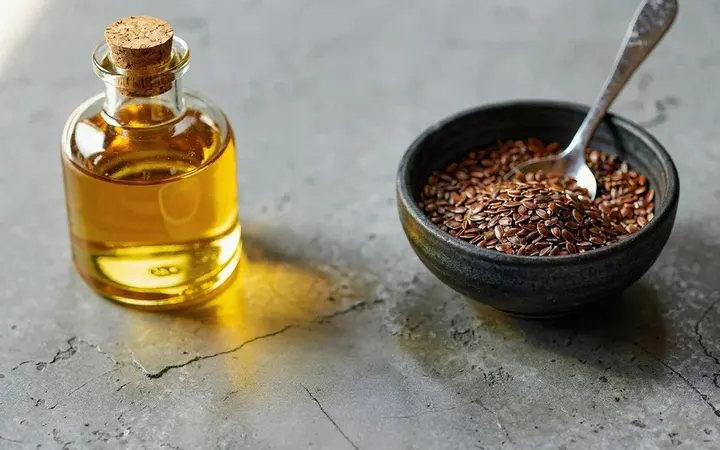


See your calcium every day
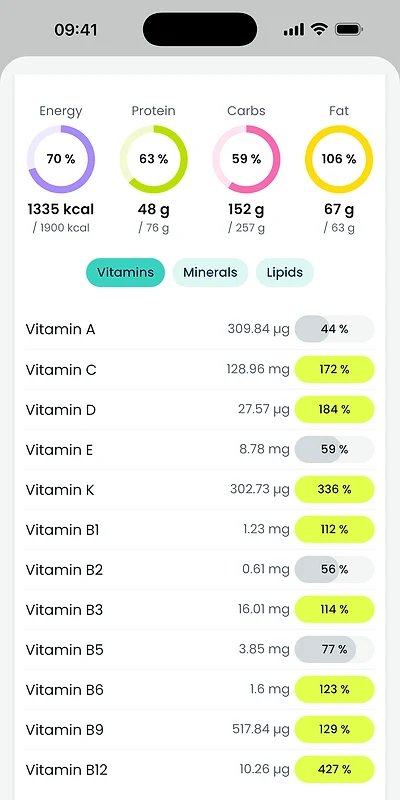
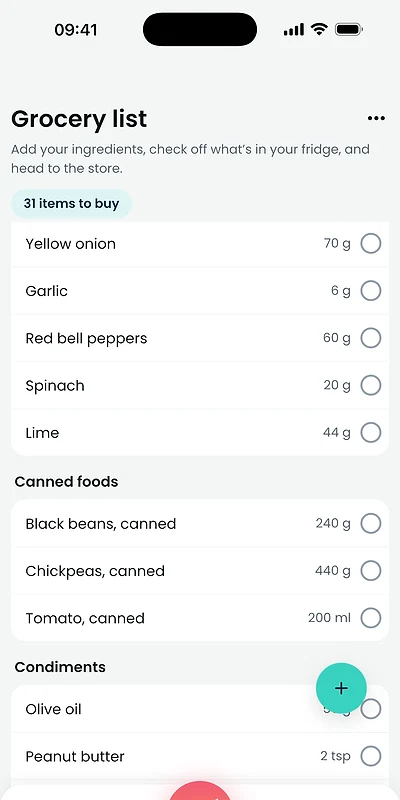
Vegochef tracks calcium with 28 other vitamins, minerals and lipids, including vitamin D, against targets for your age and sex, from food and supplements together.
Try it free for 7 days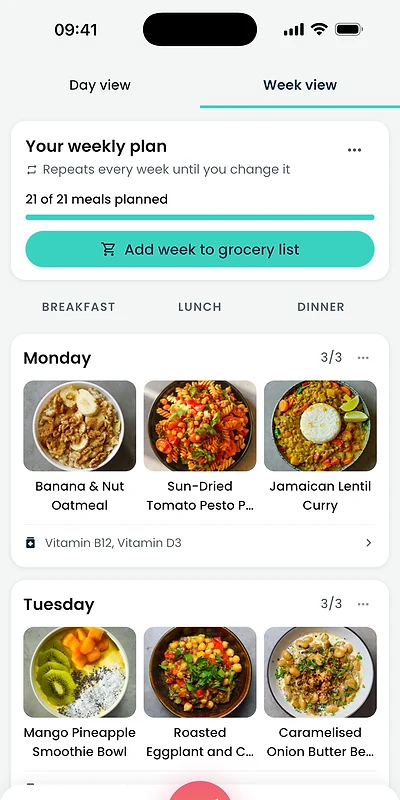
Sources
- NIH Office of Dietary Supplements: Calcium fact sheet for health professionals (ods.od.nih.gov)
- National Academies of Medicine: Dietary Reference Intakes for calcium and vitamin D
- Weaver CM et al. Choices for achieving adequate dietary calcium with a vegetarian diet. American Journal of Clinical Nutrition, 1999.
- USDA FoodData Central (fdc.nal.usda.gov)
From vegochef.com: meal planner and nutrition tracker for vegans, vegetarians and pescatarians. Free for 7 days on the App Store.