 vegochef.com/guides/vegan-vitamin-d/
Vegan vitamin D: how much you need, and D2 vs D3
 By the Vegochef team · Editorial standards · Last checked · 6 min read
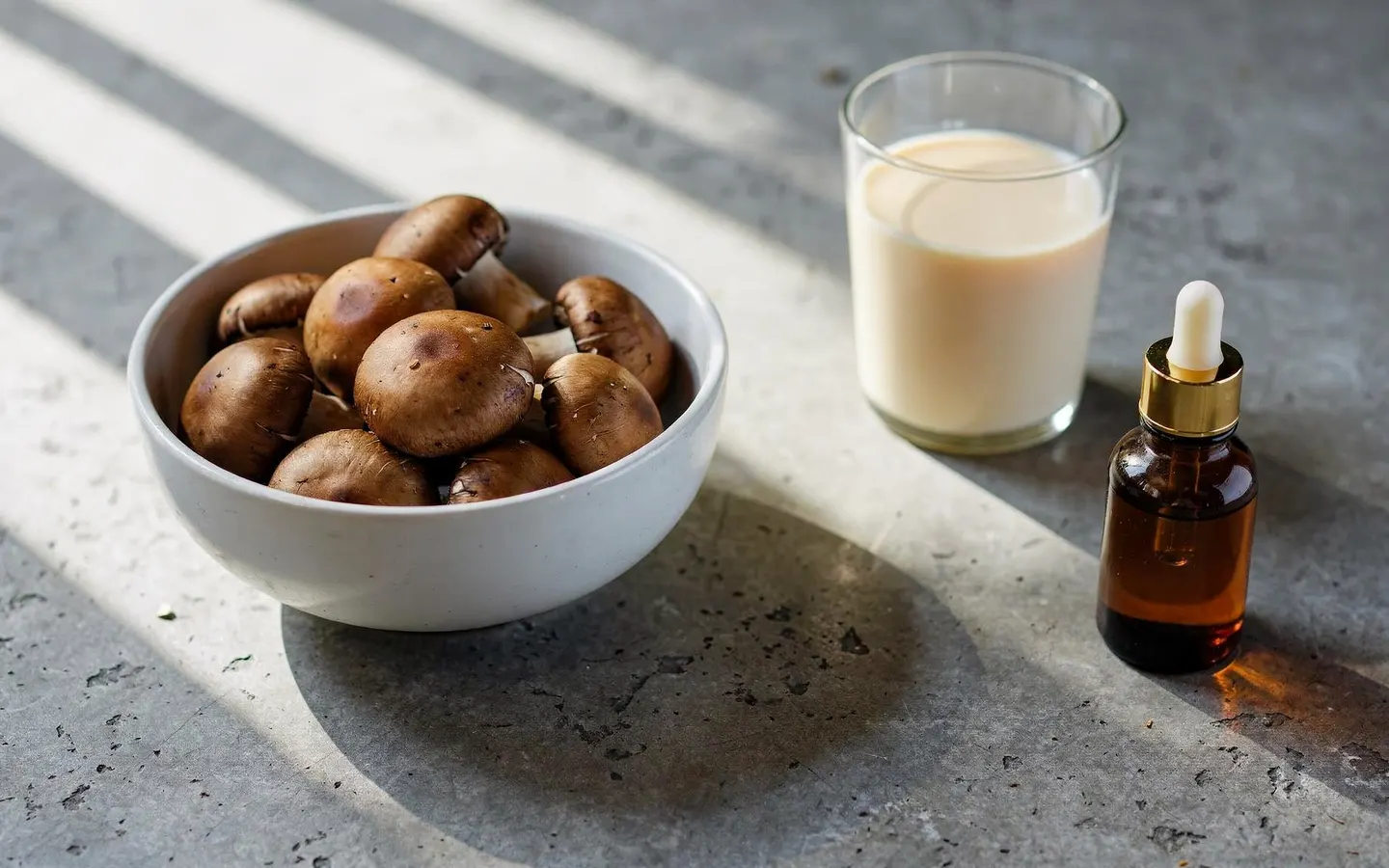
Vitamin D helps your body absorb calcium and keep bones strong, and it supports your muscles and immune system. It's the one vitamin your body can make itself, from sunlight, which is exactly why so many people run low in winter.
How much do you need?
| Group | Daily target |
|---|---|
| Adults 19–70 | 15 µg (600 IU) |
| Adults over 70 | 20 µg (800 IU) |
| Pregnancy and breastfeeding | 15 µg (600 IU) |
These are the US National Academies of Medicine targets. The upper limit for adults is 100 µg (4,000 IU) a day. In the UK, the NHS advises everyone to consider a 10 µg (400 IU) supplement each day in autumn and winter.
Why sunlight isn't always enough
Your skin makes vitamin D from the sun's UVB rays. How much depends on where you live, the season, the time of day, your skin tone, your age and how much skin is uncovered. In countries far from the equator, such as the UK, northern Europe and Canada, the sun is too weak from roughly October to March for your skin to make much vitamin D at all. That's true for everyone, not only vegans.
Vegan food sources
Very few foods contain vitamin D naturally. On a plant-based diet the main sources are:
- Fortified plant milks and yogurts: check the label for "vitamin D".
- Fortified breakfast cereals and spreads.
- Mushrooms exposed to UV light: some brands sell them labelled as a source of vitamin D.
Fortified foods help, but it's hard to reach the target from food alone, which is why a supplement is common.
Vegetables with vitamin D
Almost no vegetables contain vitamin D. The exception is mushrooms exposed to UV light (sunlight or UV lamps during growing), which make vitamin D2. Some brands sell them labelled as a source of vitamin D; ordinary mushrooms contain very little.
D2 or D3?
- Vitamin D2 (ergocalciferol) is made from yeast or fungi and is always vegan.
- Vitamin D3 (cholecalciferol) is usually made from lanolin, the grease in sheep's wool, so it isn't vegan. Vegan D3 is made from lichen and is labelled as such.
Both raise vitamin D levels. Some research suggests D3 raises blood levels a little more effectively, which is why vegan D3 from lichen is popular. Either is a reasonable choice.
Tips for taking it
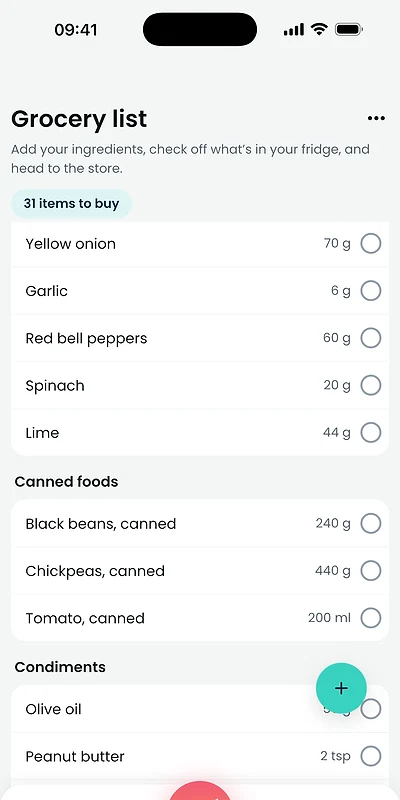
- Take it with a meal that contains some fat, for example with breakfast and a little peanut butter, since vitamin D is fat-soluble.
- Don't double up. If your multivitamin already contains vitamin D, count it before adding a separate supplement.
- Ask your doctor for a blood test (25-hydroxyvitamin D) if you're unsure about your levels, especially before taking high doses.
For the other supplements worth knowing about, read What supplements do vegans need?.
Frequently asked questions
How much vitamin D should a vegan take?
The same as anyone: the US target for adults is 15 µg (600 IU) a day, or 20 µg (800 IU) after 70, and the NHS suggests 10 µg (400 IU) a day in autumn and winter in the UK. Don't exceed 100 µg (4,000 IU) a day without medical advice.
Are vitamin D supplements vegan?
Vitamin D2 is always vegan. Most vitamin D3 comes from sheep's wool, but vegan D3 made from lichen is widely available and labelled as vegan.
Can you get enough vitamin D from food on a vegan diet?
It's difficult. Fortified plant milks, cereals and UV-exposed mushrooms help, but most people need sunlight in summer and a supplement in winter.
Recipes to try



Related guides


Tick off vitamin D every day
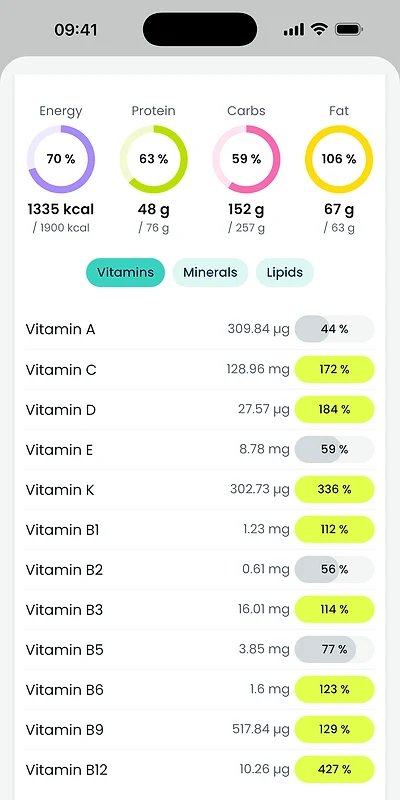
Add your vitamin D supplement to Vegochef, set a reminder, and see it in your daily total next to the vitamin D from fortified foods.
Try it free for 7 days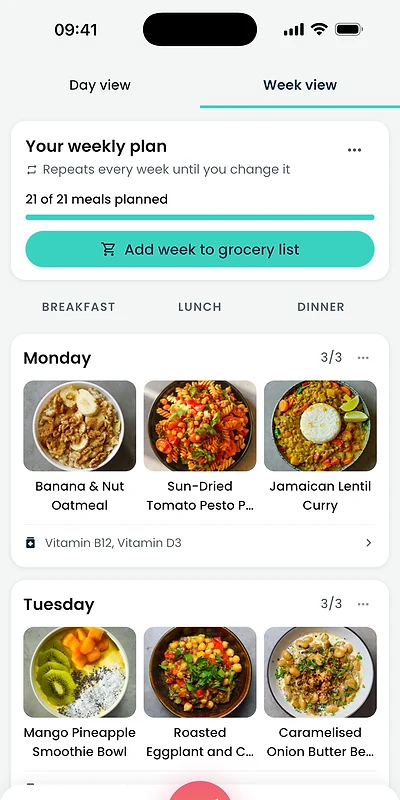
Sources
- NIH Office of Dietary Supplements: Vitamin D fact sheet for health professionals (ods.od.nih.gov)
- National Academies of Medicine: Dietary Reference Intakes for calcium and vitamin D
- NHS: Vitamin D (nhs.uk)
From vegochef.com: meal planner and nutrition tracker for vegans, vegetarians and pescatarians. Free for 7 days on the App Store.