 vegochef.com/guides/foods-high-in-vitamin-a/
Foods high in vitamin A
 By the Vegochef team · Editorial standards · Last checked · 6 min read
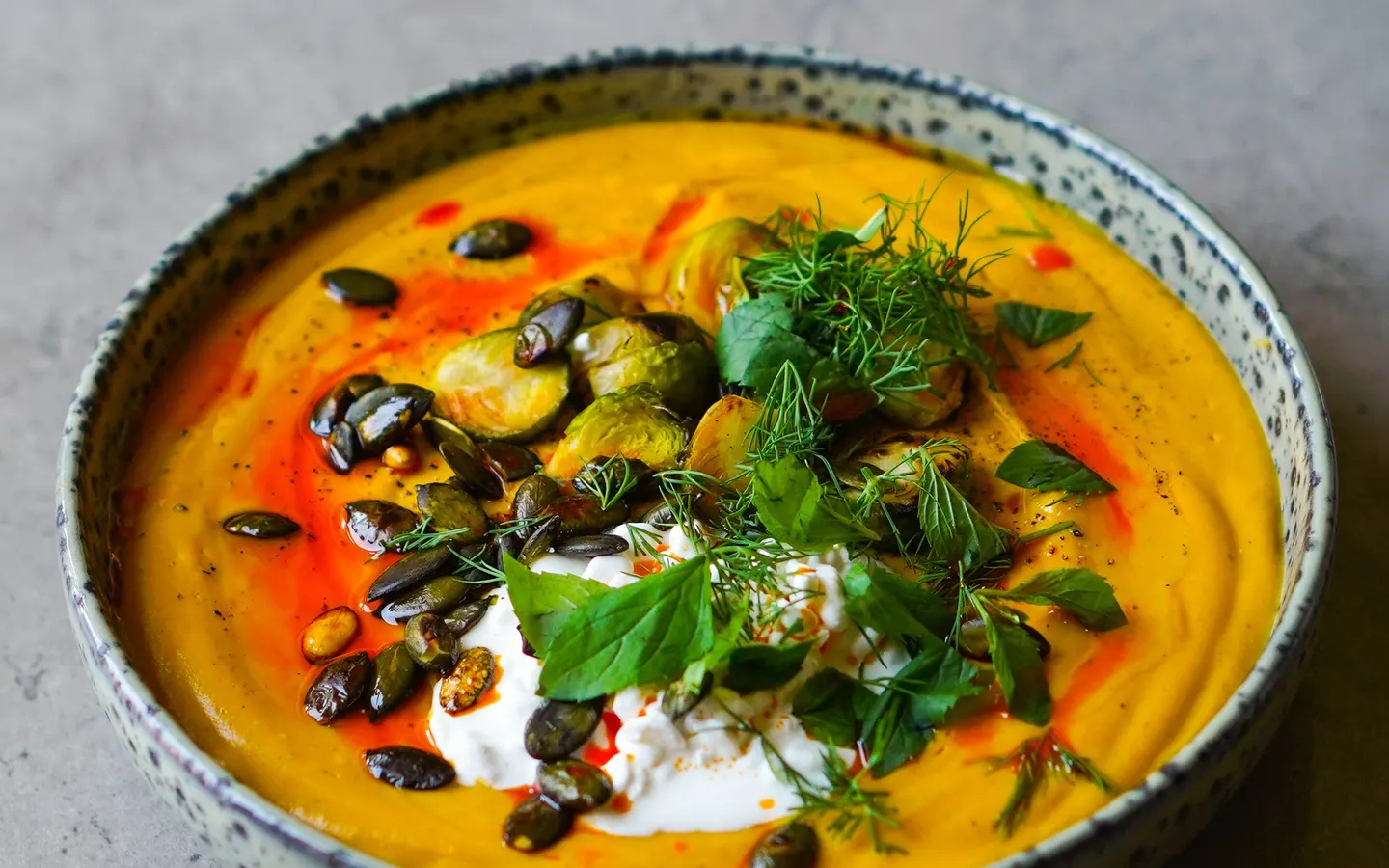
Vitamin A keeps your eyes working in low light, supports your immune system and keeps skin and the lining of your gut healthy. Good news for plant-based eaters: some of the richest sources are everyday vegetables.
How much vitamin A do you need?
| Group | Daily target (RAE) |
|---|---|
| Women 19+ | 700 µg |
| Men 19+ | 900 µg |
| Pregnancy | 770 µg |
| Breastfeeding | 1,300 µg |
These are the US National Academies of Medicine targets, in µg RAE (retinol activity equivalents), a unit that accounts for how well your body converts beta-carotene. Older labels and supplements may use IU instead.
Two forms of vitamin A
- Preformed vitamin A (retinol): found in animal foods such as oily fish, eggs and dairy, and in many supplements.
- Provitamin A carotenoids, mainly beta-carotene: found in orange, yellow and dark green plant foods. Your body converts them into vitamin A as it needs it.
Because your body only converts what it needs, beta-carotene from food doesn't carry the risk of too much vitamin A.
Plant foods high in vitamin A
Approximate values per serving from the NIH Office of Dietary Supplements:
| Food | Serving | Vitamin A (µg RAE) |
|---|---|---|
| Sweet potato, baked in skin | 1 whole | 1,403 |
| Spinach, frozen, boiled | ½ cup | 573 |
| Carrots, raw | ½ cup | 459 |
| Cantaloupe melon | ½ cup | 135 |
| Red pepper, raw | ½ cup | 117 |
| Mango | 1 whole | 112 |
| Black-eyed peas, boiled | 1 cup | 66 |
| Dried apricots | 10 halves | 63 |
| Broccoli, boiled | ½ cup | 60 |
Also rich in beta-carotene: pumpkin, butternut squash, kale, collard greens, lettuce (especially romaine), papaya and fortified foods.
Animal sources (for vegetarians and pescatarians)
- Oily fish such as herring and salmon, and fish oils.
- Eggs, milk and cheese contain smaller amounts. Many plant milks and some dairy milks are fortified.
Getting enough on a plant-based diet
- Eat orange and green every day: a sweet potato, a handful of carrots, a bowl of greens or a slice of pumpkin covers most of your needs.
- Add a little fat: beta-carotene is fat-soluble. Roast vegetables in olive oil, or add avocado, nuts or seeds.
- Cook some, eat some raw: cooking and chopping carrots and spinach makes their beta-carotene easier to absorb.
- Mix colours over the week: variety covers vitamin A and other nutrients at the same time.
Try our creamy roasted pumpkin soup, loaded sweet potatoes or Jamaican lentil curry with carrots and spinach.
Supplements and the upper limit
Most people don't need a vitamin A supplement. The adult upper limit for preformed vitamin A is 3,000 µg a day, and supplements, not food, are the usual way people go over it. Too much can harm the liver and, in pregnancy, the baby. If you take a multivitamin, check how much vitamin A it contains and whether it's retinol or beta-carotene. More in vegan and vegetarian multivitamins.
Frequently asked questions
Which food is highest in vitamin A?
Among everyday foods, sweet potato is at the top: one baked sweet potato has about 1,400 µg, well over a day's needs. Carrots, spinach and pumpkin are also very rich.
Can vegans get enough vitamin A?
Yes. Plant foods don't contain vitamin A itself, but they're full of beta-carotene, which your body converts into vitamin A. Orange and dark green vegetables every day cover it easily.
How much vitamin A do I need a day?
Adult women need 700 µg and men 900 µg RAE (retinol activity equivalents) a day, according to the US National Academies of Medicine.
Can you get too much vitamin A?
From preformed vitamin A (retinol) in supplements, yes: the adult upper limit is 3,000 µg a day. Beta-carotene from vegetables doesn't count towards that limit; very large amounts can turn your skin slightly orange, which is harmless.
Do you need fat to absorb vitamin A?
Yes, it helps. Vitamin A and beta-carotene are fat-soluble, so eat them with a little olive oil, nuts, seeds or avocado.
Recipes to try



Related guides


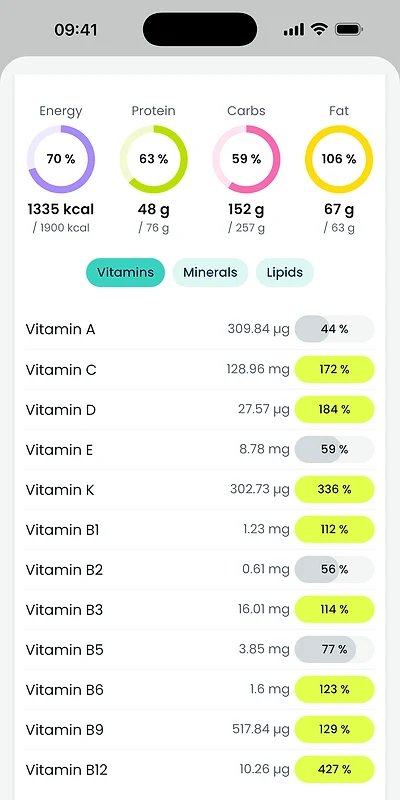
See your vitamin A every day
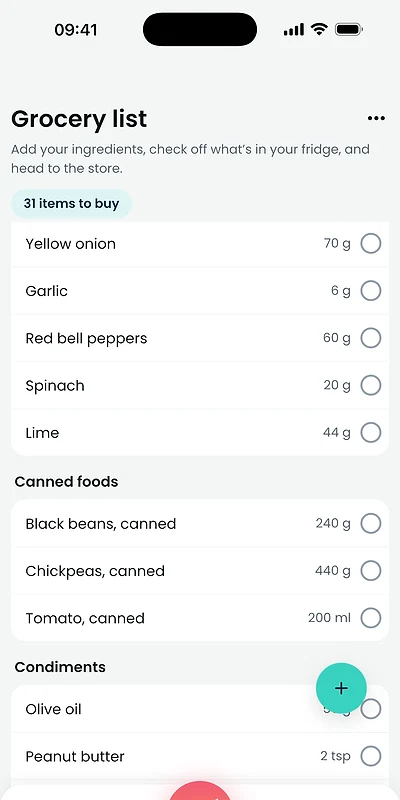
Vegochef tracks vitamin A with 28 other vitamins, minerals and lipids, against targets for your age and sex, and warns you if supplements push you over the upper limit.
Try it free for 7 days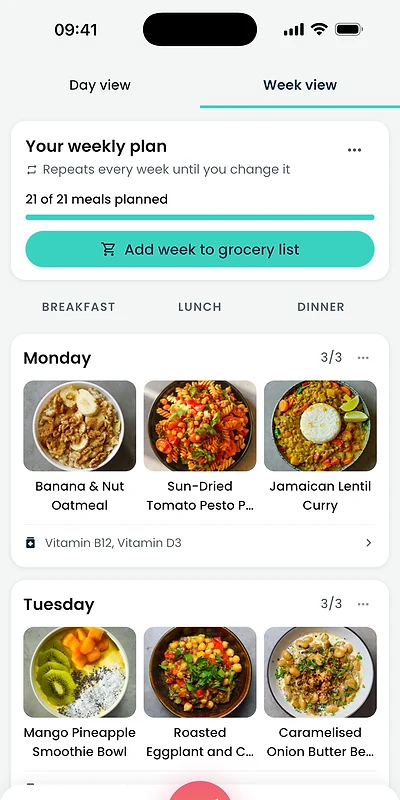
Sources
- NIH Office of Dietary Supplements: Vitamin A and carotenoids fact sheet for health professionals (ods.od.nih.gov)
- National Academies of Medicine: Dietary Reference Intakes for vitamin A
- USDA FoodData Central (fdc.nal.usda.gov)
From vegochef.com: meal planner and nutrition tracker for vegans, vegetarians and pescatarians. Free for 7 days on the App Store.