 vegochef.com/guides/high-protein-vegan-meals/
High-protein vegan meals: 20 easy ideas
 By the Vegochef team · Editorial standards · Last checked · 7 min read
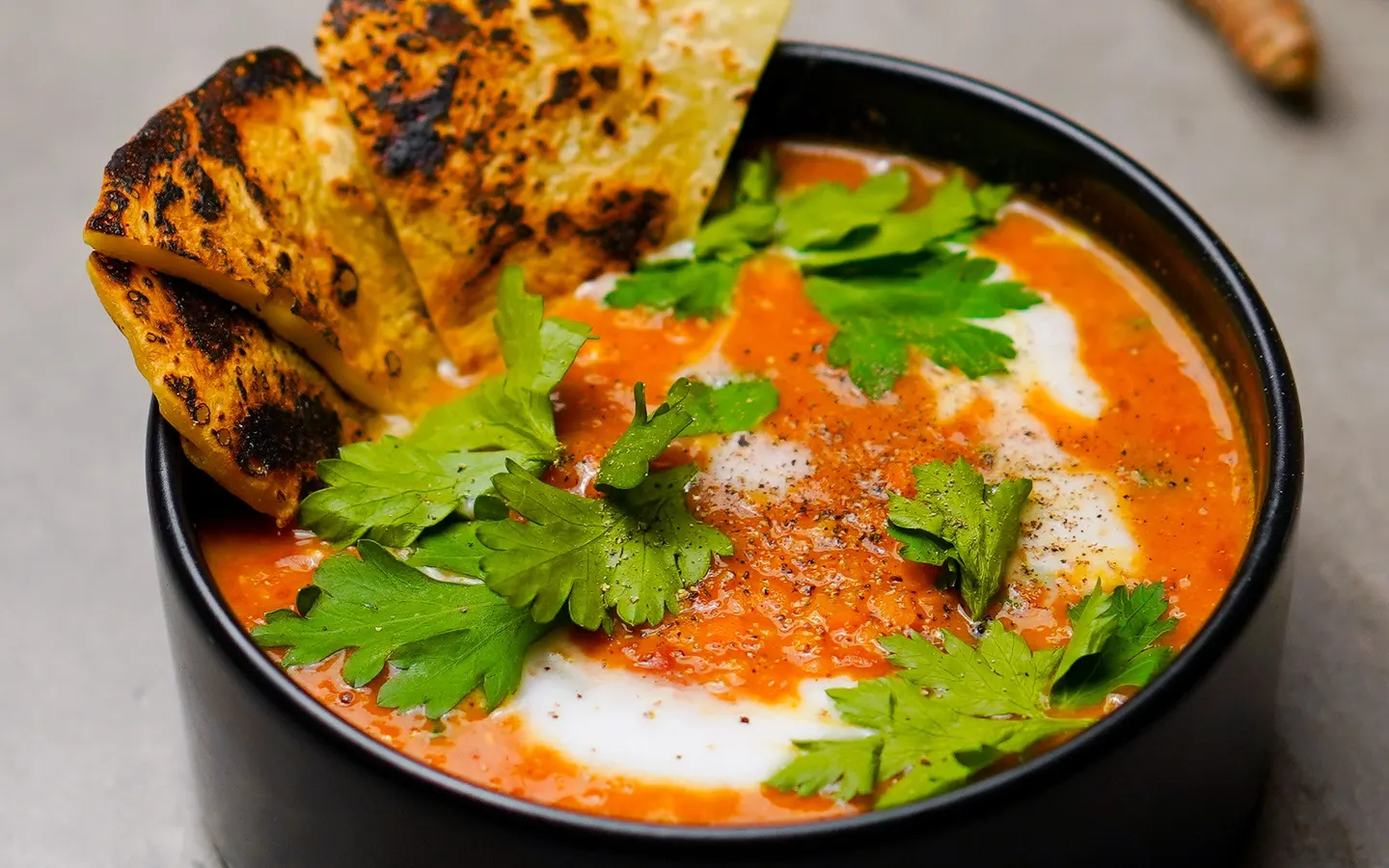
"Where do you get your protein?" is the question every plant-based eater hears. The honest answer: from almost everything, and especially from soy, legumes and seitan. These 20 meals make it easy to hit your protein target without protein powder or complicated recipes.
How much protein do you need?
The US National Academies of Medicine set the adult target at 0.8 g of protein per kilogram of body weight per day. For a 70 kg (154 lb) adult that's about 56 g a day. Athletes, people building muscle and older adults often aim higher. In Vegochef, your protein target is calculated from your body, activity and goal. Work out your own number with our protein calculator.
Plant foods don't need to be combined in the same meal: eating a variety of protein foods over the day gives you all the amino acids you need.
The best protein-rich plant foods
- Soy: tofu, tempeh, edamame, soy milk and soy yogurt (new to them? See how to cook tofu and what is tempeh)
- Seitan: made from wheat gluten, one of the most protein-dense plant foods
- Legumes: lentils, chickpeas, black beans, kidney beans, split peas
- Nuts and seeds: peanuts, hemp seeds, pumpkin seeds, almonds
- Whole grains: oats, quinoa, whole-wheat pasta and bread add more than you'd think
Curious about the numbers? See how much protein is in lentils, chickpeas, tofu, edamame, quinoa, peanut butter and seitan. Eat eggs and dairy? See high-protein vegetarian meals.
Breakfast
- Tofu scramble with spinach, peppers and turmeric, on wholegrain toast.
- Overnight oats made with soy milk, chia seeds and a spoon of peanut butter.
- Soy yogurt bowl with hemp seeds, pumpkin seeds and berries.
- Chickpea flour omelette with mushrooms and tomatoes.
- Smoothie with soy milk, frozen banana, oats and peanut butter.
Lunch
- Lentil and roasted vegetable salad with a lemon-tahini dressing.
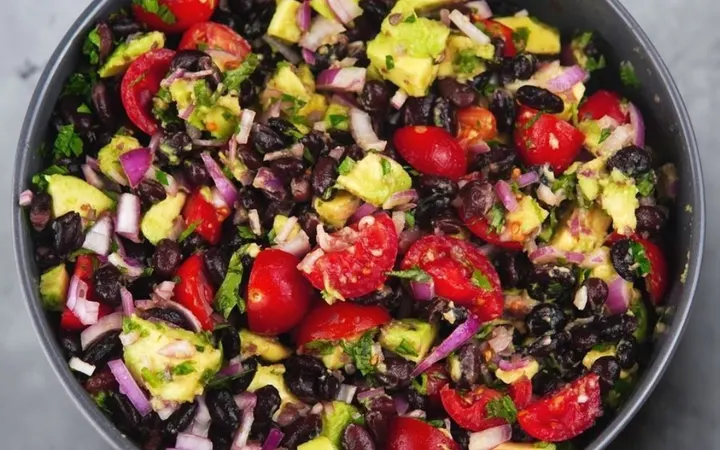
- Black bean and avocado salad with corn, peppers and lime.
- Hummus and falafel wrap with crunchy vegetables.
- Edamame and quinoa bowl with cucumber, carrot and peanut-lime sauce.
- Split pea soup with wholegrain bread.
Dinner
- Tofu and vegetable stir-fry with noodles or brown rice.
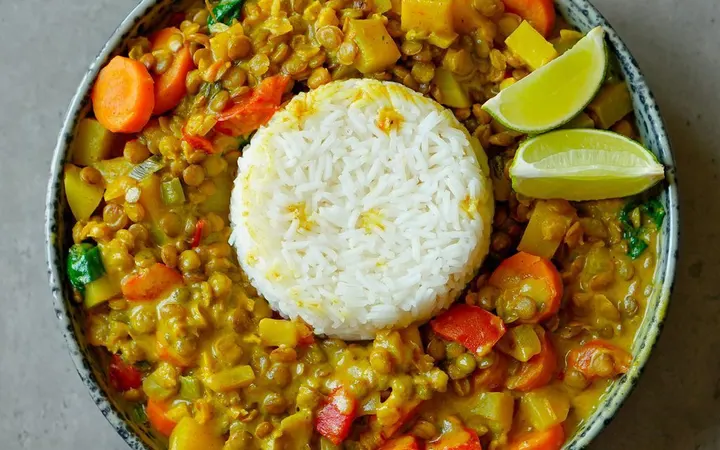
- Red lentil curry with spinach and rice.
- Bean chilli with kidney and black beans, topped with avocado.
- Tempeh tacos with cabbage slaw.
- Chickpea and spinach stew with crusty bread.
- Seitan and broccoli in a garlic-ginger sauce.
- Whole-wheat pasta with lentil bolognese.
Snacks
- Roasted chickpeas with smoked paprika.
- Edamame with a pinch of salt.
- Hummus with carrot and cucumber sticks, or peanut butter on apple slices.
Tips for more protein with less effort
- Add a legume to every meal, even breakfast (beans on toast count).
- Switch to soy milk: it has far more protein than oat, almond or rice milk.
- Keep tofu and tempeh in the fridge and canned beans in the cupboard for 15-minute dinners.
- Top everything with seeds. Hemp and pumpkin seeds add protein to oats, salads and soups.
- Prep a protein for the week: a tray of baked tofu or a pot of lentils. Our vegan meal prep guide shows how.
Frequently asked questions
How do I get enough protein on a vegan diet?
Include a protein-rich food at every meal: tofu, tempeh, seitan, edamame, lentils, beans or soy milk, plus nuts, seeds and whole grains. Most healthy adults need about 0.8 g of protein per kilogram of body weight a day.
Is whey protein vegan?
No. Whey is made from milk, so it isn't vegan. Vegan protein powders are usually made from pea, soy, rice or hemp protein.
Which vegetables have the most protein?
Edamame and green peas are the most protein-rich 'vegetables', because they're legumes. Leafy greens, broccoli and asparagus contain some protein, but much less per serving.
Do vegans need to combine proteins in every meal?
No. Eating a variety of protein foods over the day gives you all the essential amino acids; they don't need to be combined at the same meal.
Recipes to try
Related guides


See your protein, and everything else
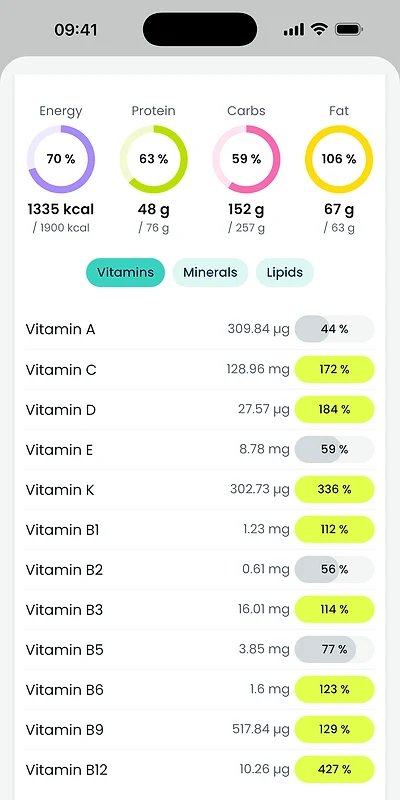
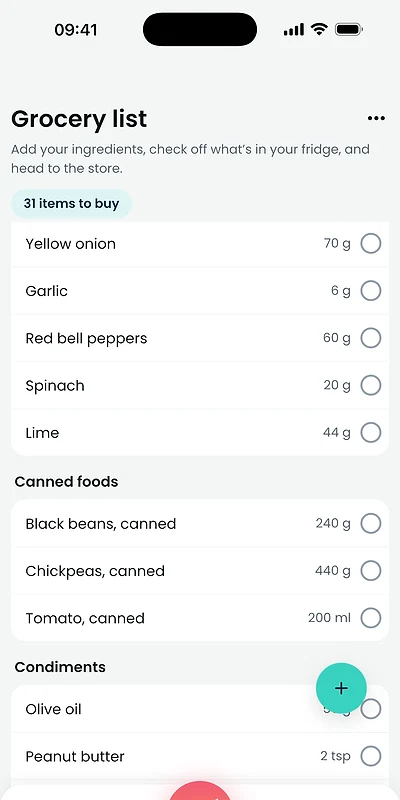
Plan these meals in Vegochef and see protein next to 29 vitamins, minerals and lipids, against targets for your age, sex and goal.
Try it free for 7 days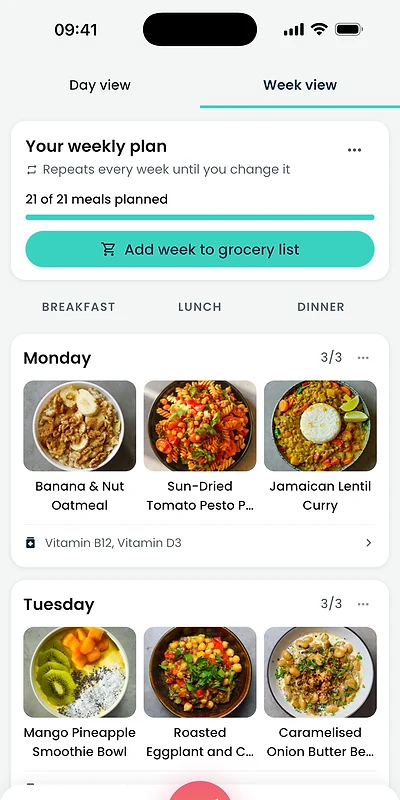
Sources
- National Academies of Medicine: Dietary Reference Intakes for protein (0.8 g per kg body weight for adults)
- Dietary Guidelines for Americans 2020–2025: vegetarian eating pattern (dietaryguidelines.gov)
- USDA FoodData Central: protein content of legumes, soy foods and grains (fdc.nal.usda.gov)
From vegochef.com: meal planner and nutrition tracker for vegans, vegetarians and pescatarians. Free for 7 days on the App Store.