 vegochef.com/guides/peanut-butter-protein/
How much protein is in peanut butter?
 By the Vegochef team · Editorial standards · Last checked · 5 min read
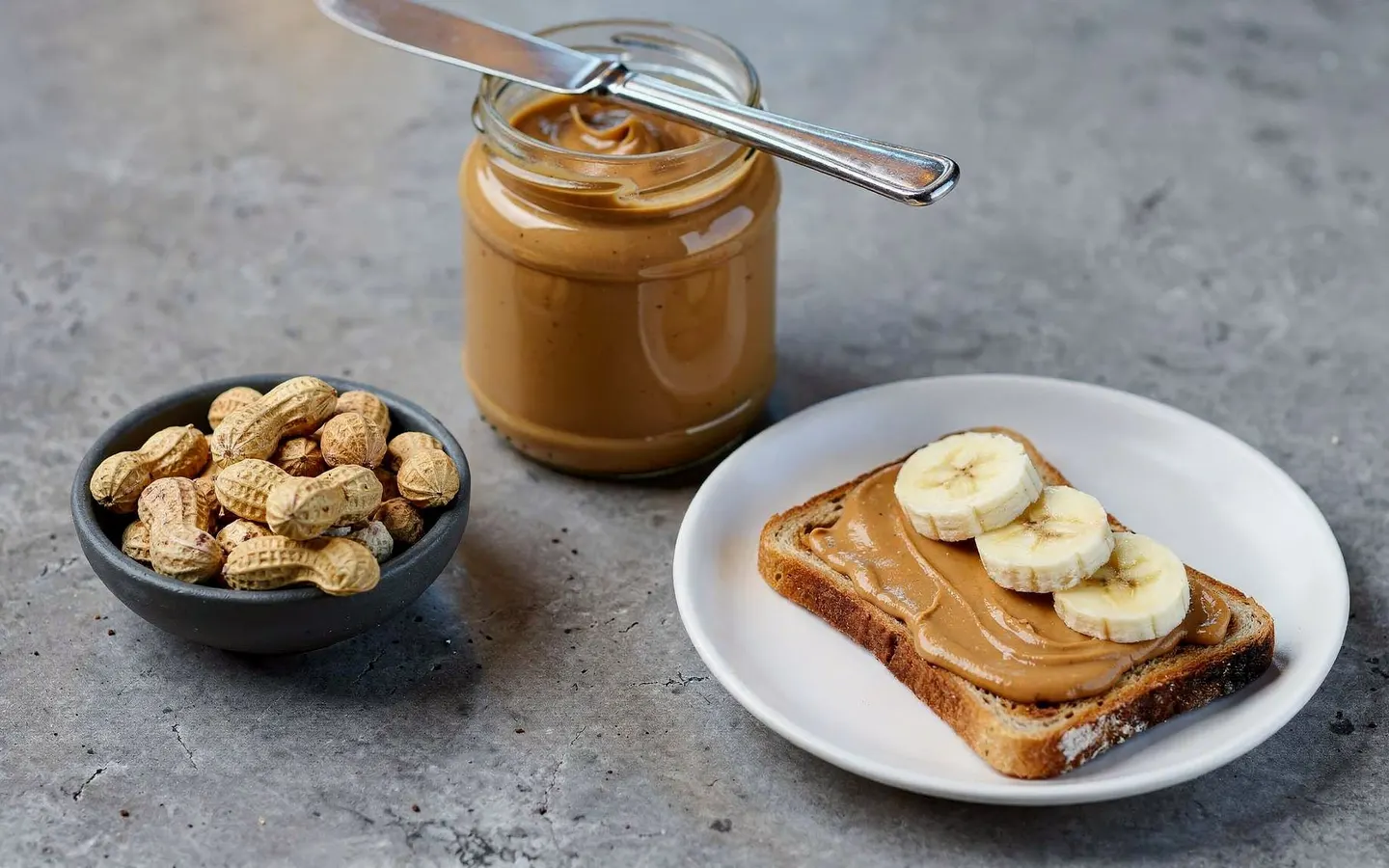
Peanut butter is one of the easiest ways to add protein to breakfast, snacks and sauces. It's also easy to overdo, because it's rich. Here's how much protein you get, and how it compares with other spreads, using USDA data.
Protein in peanut butter
| Peanut butter | Amount | Protein (approx.) | Energy (approx.) |
|---|---|---|---|
| Smooth or crunchy | 1 tbsp (16 g) | 3.5 g | 95 kcal |
| Smooth or crunchy | 2 tbsp (32 g) | 7 g | 190 kcal |
| Smooth or crunchy | 100 g | 22–25 g | 590 kcal |
| Powdered peanut butter | 2 tbsp (about 12 g) | 5–6 g (check label) | about 50–60 kcal |
Peanut butter vs other nut and seed butters
Per 2 tablespoons (about 32 g), from USDA FoodData Central:
| Spread | Protein (approx.) |
|---|---|
| Peanut butter | 7 g |
| Almond butter | 7 g |
| Sunflower seed butter | 6 g |
| Cashew butter | 6 g |
| Tahini (sesame) | 5 g |
Peanut butter sits at the top, together with almond butter. Peanuts are technically legumes, like beans and lentils, which is part of why they're so rich in protein.
The calorie catch
Two tablespoons of peanut butter have about 190 kcal, and about three-quarters of those come from fat, mostly the healthy unsaturated kind. Only about 15% of its calories come from protein. Compare that with lentils, where about 30% of calories are protein, or firm tofu, at around 40%.
That doesn't make peanut butter unhealthy. It just means it's best used as a protein booster, not the main protein of a meal. Measure a portion now and then: a "spoonful" straight from the jar is often closer to 3 tablespoons.
Is peanut butter a complete protein?
Not on its own. Peanuts are low in the essential amino acid methionine. Grains have more, so peanut butter on wholegrain toast or stirred into oats is a classic complete pairing. You don't need to combine them in the same meal, though: a mix of protein foods over the day covers it.
Choosing a peanut butter
- Check the ingredients: the best ones are just peanuts, and maybe salt.
- Added sugar and palm oil are common in standard brands; they don't add protein.
- Oil on top is normal in natural peanut butter. Stir it in, then keep the jar in the fridge to stop it separating.
- "High-protein" peanut butters add protein powder. Check the label if that matters to you.
Easy ways to use peanut butter for protein
- Oats: stir a tablespoon into porridge or overnight oats made with soy milk.
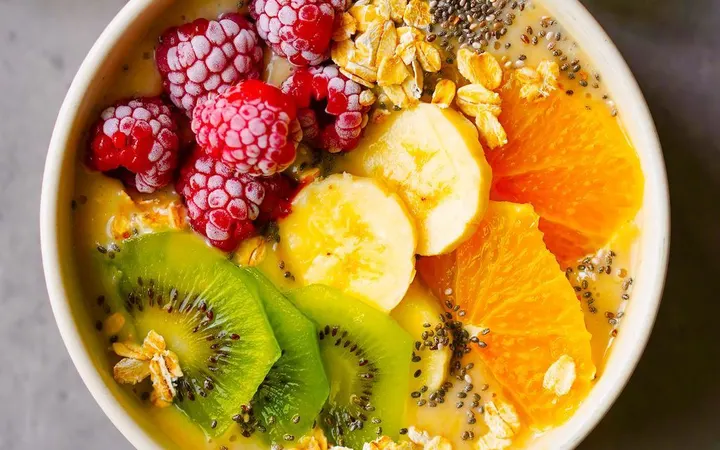
- Smoothies and bowls: as in our orange banana smoothie bowl.
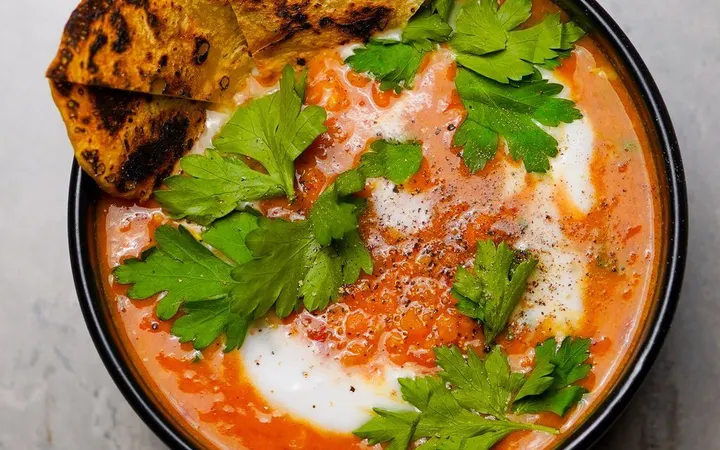
- Curries and sauces: a spoonful makes sauces creamy, as in our red lentil curry.
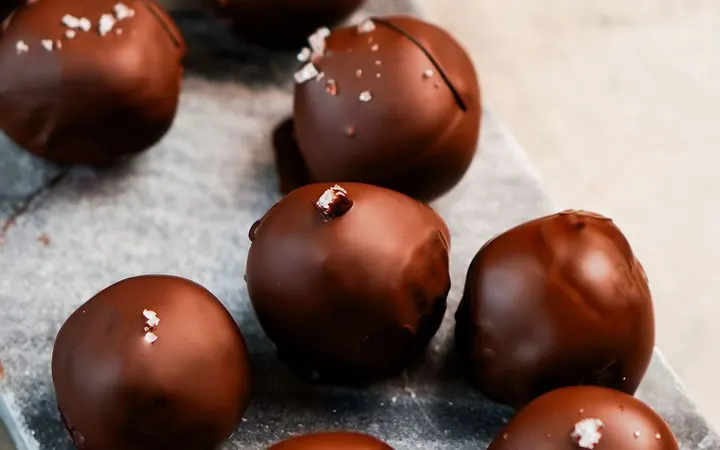
- Snacks: on apple slices, wholegrain toast or celery; or in brownie protein balls.
- Peanut sauce: with soy sauce, lime and garlic for noodles, tofu and rice bowls.
More ideas: high-protein vegan meals, or work out your own target with the protein calculator.
Frequently asked questions
Is peanut butter a good source of protein?
It's a useful one, with about 7 g per 2 tablespoons, more than almond or cashew butter. But most of its calories come from fat, so it's best as a topping or addition, not your main protein.
How much protein is in 1 tablespoon of peanut butter?
About 3.5 g. A tablespoon is about 16 g.
Does crunchy peanut butter have more protein than smooth?
Very slightly, but the difference is tiny. Choose the texture you like.
Is natural peanut butter higher in protein?
About the same. Natural peanut butter is usually just peanuts and salt, without added sugar or palm oil, which some people prefer.
Is powdered peanut butter higher in protein?
Per calorie, yes. Most of the fat is pressed out, so 2 tablespoons of powder have around 5–6 g of protein for roughly a third of the calories. Check the label.
Is peanut butter a complete protein?
Not on its own: peanuts are low in the amino acid methionine. Eating grains over the day, like wholegrain bread with peanut butter, fills the gap.
Recipes to try
Related guides


See your protein for the whole day
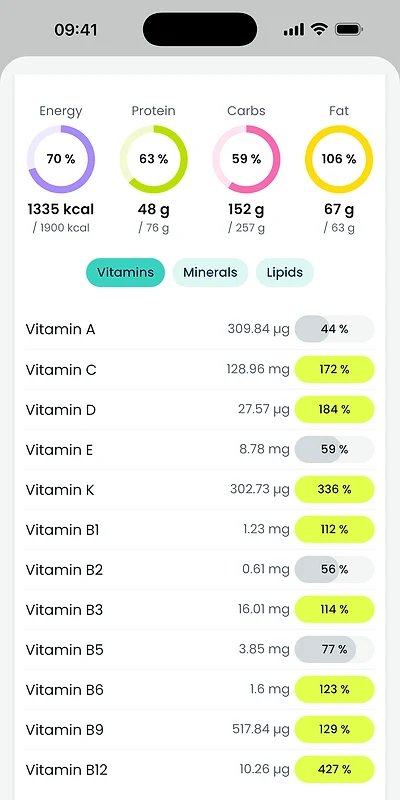
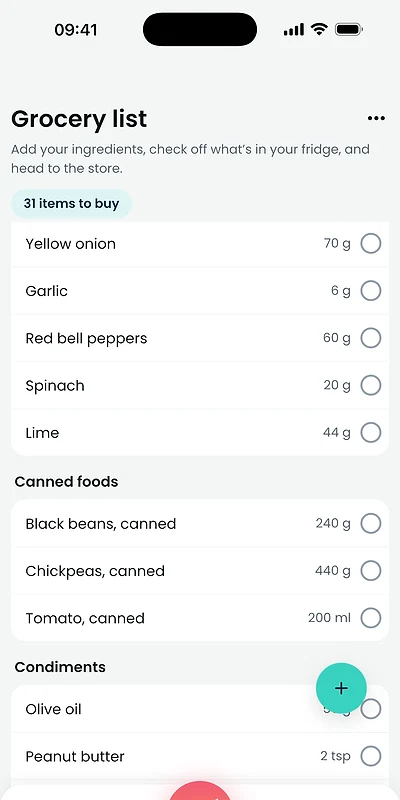
Log peanut butter and the rest of your meals in Vegochef and see your protein next to 29 vitamins, minerals and lipids, including the fats, against your targets.
Try it free for 7 days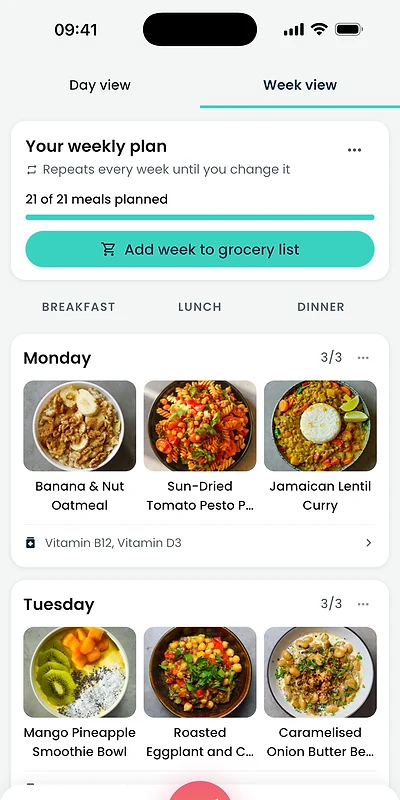
Sources
- USDA FoodData Central: peanut butter, smooth and chunky; almond butter; cashew butter; sesame butter (tahini); sunflower seed butter (fdc.nal.usda.gov)
- National Academies of Medicine: Dietary Reference Intakes for protein
From vegochef.com: meal planner and nutrition tracker for vegans, vegetarians and pescatarians. Free for 7 days on the App Store.