 vegochef.com/guides/seitan-protein/
How much protein is in seitan?
 By the Vegochef team · Editorial standards · Last checked · 6 min read
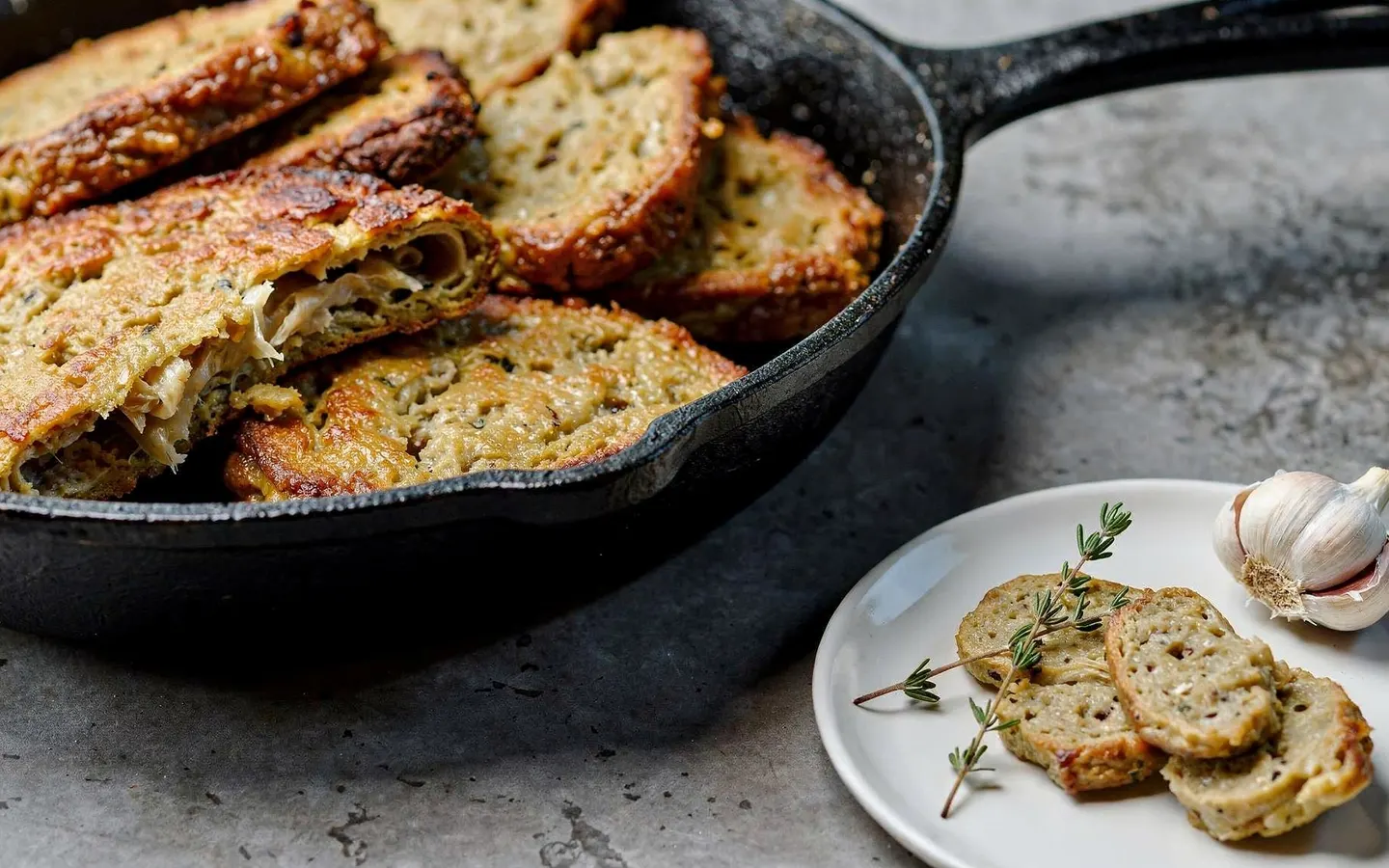
Seitan has a reputation as the protein champion of plant-based food, and the numbers back it up. But how much protein you get depends a lot on what you buy or how you make it, and there are a few things worth knowing before you make it your main protein.
What is seitan?
Seitan (say "say-tan") is made from wheat gluten, the main protein in wheat. Traditionally, wheat dough was rinsed in water until the starch washed away, leaving a stretchy ball of gluten. Today most people make it from vital wheat gluten, a flour that is already about three-quarters protein, mixed with stock and seasonings, then simmered, steamed or baked. The result is dense and chewy, and takes on any flavour you give it.
Protein in seitan
Approximate values. Store-bought seitan varies a lot by brand and recipe, so check the label.
| Seitan | Amount | Protein (approx.) |
|---|---|---|
| Store-bought seitan | 100 g | 20–25 g |
| Store-bought seitan | 3 oz (85 g) serving | 17–21 g |
| Vital wheat gluten (dry flour) | 100 g | 75 g |
| Vital wheat gluten (dry flour) | ¼ cup (30 g) | 23 g |
Homemade seitan usually lands somewhere between 20 and 30 g per 100 g, depending on how much liquid and how many other ingredients (such as chickpea flour or beans) go into the dough.
Seitan vs other protein foods
Per 100 g, cooked or ready to eat. Values from USDA FoodData Central (seitan from typical labels).
| Food | Protein per 100 g (approx.) |
|---|---|
| Seitan, store-bought | 20–25 g |
| Tempeh | 20 g |
| Firm tofu | 15 g |
| Edamame, cooked | 12 g |
| Lentils, cooked | 9 g |
| Chickpeas, cooked | 9 g |
Gram for gram, seitan beats tofu and legumes. Lentils and chickpeas win on fibre, iron and folate, so the best plan is to eat a mix. See how much protein is in lentils and in chickpeas.
Is seitan a complete protein?
No. Wheat gluten is low in lysine, one of the nine essential amino acids. That's easy to fix: beans, lentils, chickpeas, peas and soy foods are rich in lysine. Eat them over the same day (not necessarily in the same meal) and your body gets everything it needs. Many homemade seitan recipes add chickpea flour or soy sauce to the dough for the same reason.
Who should avoid seitan?
- People with coeliac disease, non-coeliac gluten sensitivity or a wheat allergy: seitan is almost pure gluten.
- People watching their salt: some store-bought seitan and deli slices are high in sodium. Compare labels or make your own.
For everyone else, seitan is a useful, high-protein, low-fat food to rotate with tofu, tempeh and legumes.
How to make basic seitan
- Mix 1 cup (120 g) vital wheat gluten with 2 tbsp nutritional yeast, 1 tsp garlic powder and 1 tsp onion powder.
- Stir in ¾ cup (180 ml) vegetable stock and 1 tbsp soy sauce, then knead for 2–3 minutes until stretchy.
- Shape into a log, wrap tightly in foil, and steam for 45–60 minutes, or simmer in stock for about 45 minutes.
- Let it cool before slicing. It keeps in the fridge for about 5 days and freezes well.
How to use seitan
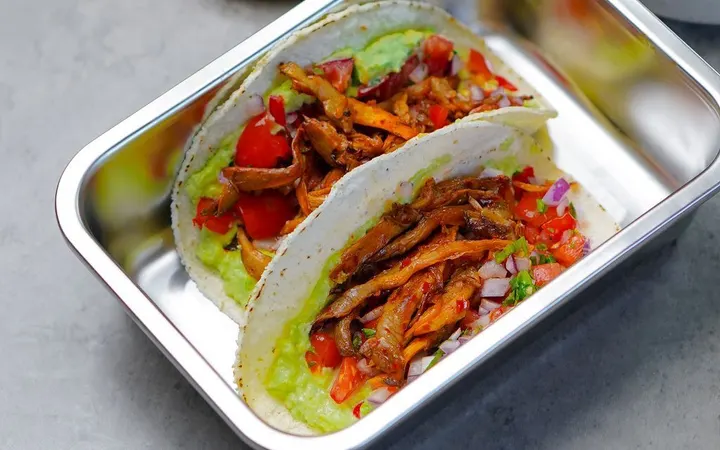
Slice it thin and fry it for tacos and wraps, cube it for stir-fries and stews, or grill thick slices like a steak. It takes on whatever flavour you give it, so marinate it in soy sauce, garlic and smoked paprika first. Swap it into recipes such as our oyster mushroom tacos for an extra protein boost.
Looking for more ideas? See high-protein vegan meals and high-protein vegetarian meals.
Frequently asked questions
Is seitan a complete protein?
No. Seitan is made from wheat gluten, which is low in the amino acid lysine. Beans, lentils, chickpeas, soy and peas are rich in lysine, so eating them over the same day fills the gap.
Is seitan healthy?
It can be part of a healthy diet. It's high in protein and low in fat, but it isn't a whole food, it's low in lysine, and store-bought seitan can be high in salt. Eat it as one protein among several, not as the only one.
Is seitan gluten-free?
No. Seitan is almost pure wheat gluten, so it isn't suitable for people with coeliac disease, non-coeliac gluten sensitivity or a wheat allergy.
Why do people say not to eat seitan for protein maxing?
Mostly because of lysine: if seitan is your main protein, your diet can be short of it. Mixing seitan with legumes or soy solves that. Salt in some store-bought products is the other concern.
Recipes to try
Related guides


Mix your proteins without the maths
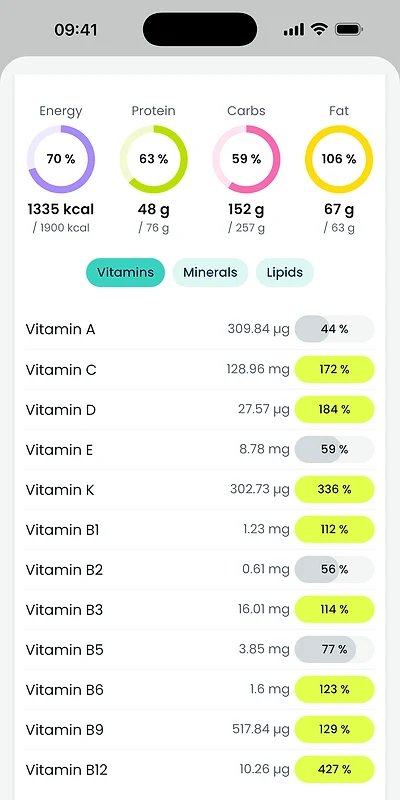
Log seitan, tofu or lentils in Vegochef and see your daily protein next to 29 vitamins, minerals and lipids, against your own targets.
Try it free for 7 days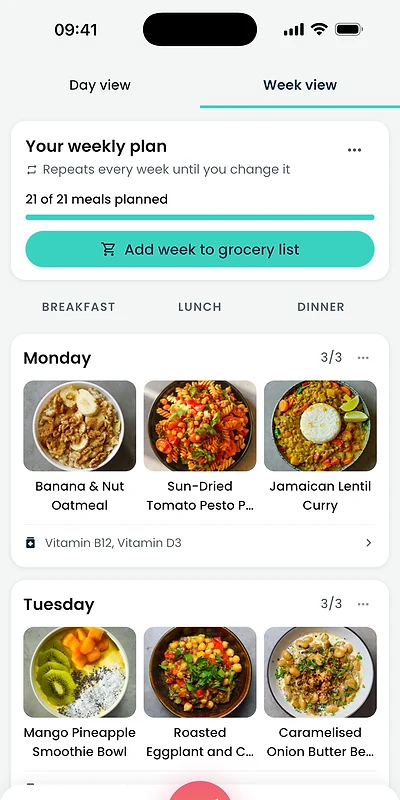
Sources
- USDA FoodData Central: vital wheat gluten; tofu; tempeh; lentils, cooked (fdc.nal.usda.gov)
- National Academies of Medicine: Dietary Reference Intakes for protein and amino acids
- Coeliac UK and the Celiac Disease Foundation: foods that contain gluten
From vegochef.com: meal planner and nutrition tracker for vegans, vegetarians and pescatarians. Free for 7 days on the App Store.