 vegochef.com/guides/pescatarian-diet/
What is a pescatarian? A beginner's guide
 By the Vegochef team · Editorial standards · Last checked · 8 min read
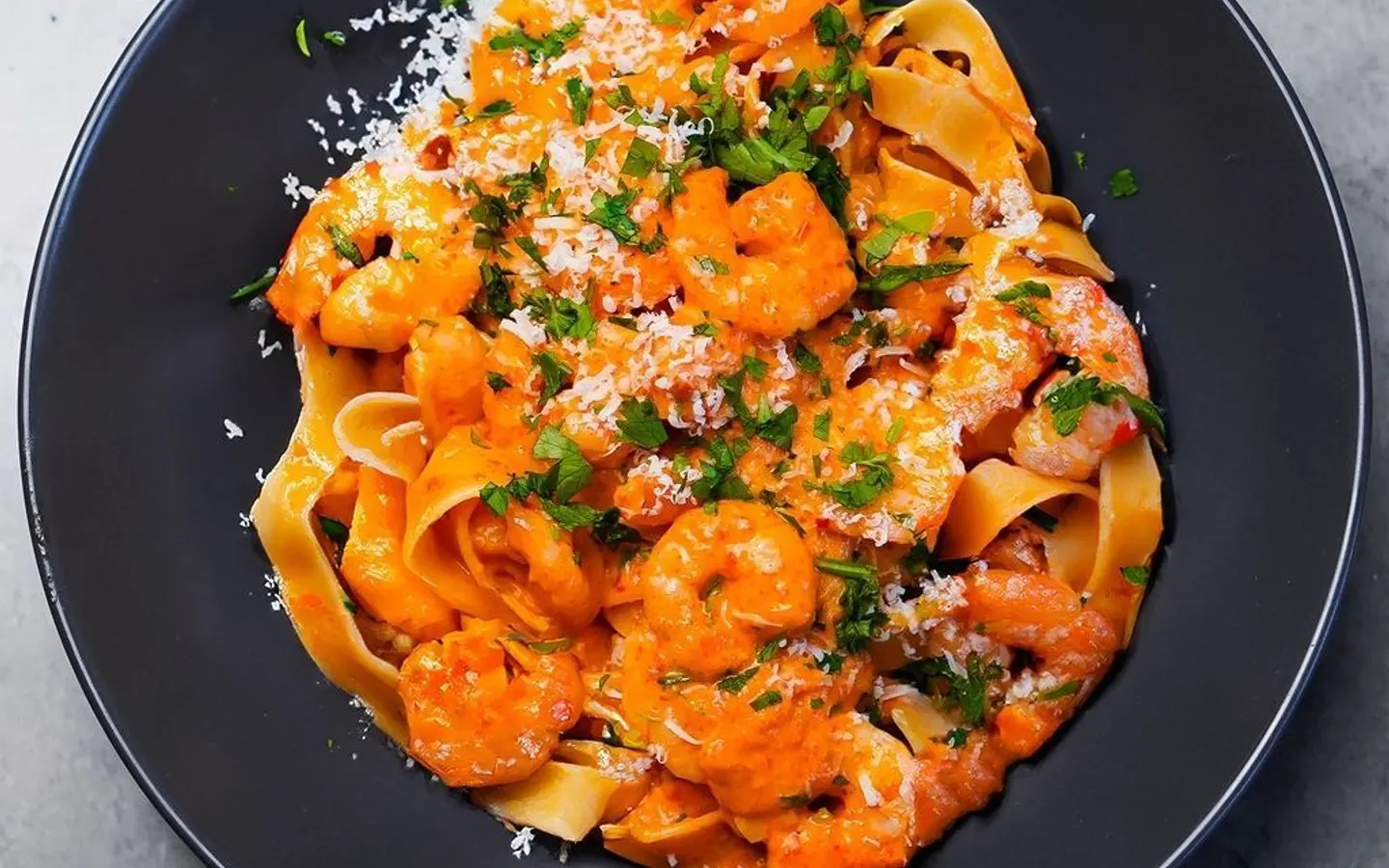
Pescatarian (sometimes spelled pescetarian) comes from the Italian pesce, fish, and "vegetarian". It's a simple idea: eat like a vegetarian, and add fish and seafood. For many people it's the easiest step towards a more plant-based diet, because it keeps familiar meals like salmon, prawns and tuna on the table.
What pescatarians eat and don't eat
| Eat | Don't eat |
|---|---|
| Vegetables and fruit | Beef, pork, lamb and other red meat |
| Whole grains, bread, pasta, rice | Chicken, turkey, duck and other poultry |
| Beans, lentils, chickpeas, tofu, tempeh | Game (venison, rabbit) |
| Nuts and seeds | Ham, bacon, sausages and other processed meat |
| Fish: salmon, cod, trout, sardines, tuna and more | Gelatin and meat stock (check labels) |
| Shellfish: shrimp, prawns, mussels, clams, crab, squid | |
| Usually eggs, milk, yogurt and cheese |
Do pescatarians eat eggs and dairy?
Most do, but it's a personal choice. Some pescatarians are fully plant-based apart from fish; others eat eggs but no dairy. What everyone has in common: no meat or poultry.
Why people choose a pescatarian diet
- Health: it combines the fibre, vitamins and plant protein of a vegetarian diet with the long-chain omega-3 fats from fish.
- Environment: fish and plant foods generally have a lower climate footprint than red meat.
- Animal welfare: some people want to stop eating land animals but aren't ready to go fully vegetarian.
- Flexibility: it's easier when eating out or travelling than a stricter diet.
Nutrition: what fish adds, and what to watch
What fish adds. Oily fish such as salmon, sardines, trout and mackerel are the richest food sources of the omega-3 fats EPA and DHA, which plant foods don't provide directly. Fish and seafood also give you protein, vitamin B12, vitamin D and selenium.
What to watch.
- Iron: without red meat, get it from beans, lentils, tofu, leafy greens and whole grains, and eat them with vitamin C (peppers, tomatoes, citrus). Shellfish such as mussels and clams are also good sources.
- Vitamin D: oily fish helps, but in winter many people far from the equator still need a supplement. See our vitamin D guide.
- Mercury: choose fish that are low in mercury (below), especially if you're pregnant, planning a pregnancy or breastfeeding.
Which fish are best? Mercury, in one table
From the US FDA and EPA advice about eating fish. Adults can eat 2–3 servings a week from the "best choices" list, or 1 serving a week from "good choices".
| Best choices (lowest mercury) | Good choices (1 serving a week) | Avoid (highest mercury) |
|---|---|---|
| Salmon, sardines, anchovies, herring, Atlantic mackerel, trout, cod, haddock, pollock, tilapia, catfish, shrimp, crab, lobster, scallops, clams, oysters, squid, canned light tuna | Albacore (white) tuna, yellowfin tuna, halibut, mahi mahi, snapper, grouper, monkfish, Chilean sea bass | King mackerel, marlin, orange roughy, shark, swordfish, bigeye tuna, tilefish from the Gulf of Mexico |
An adult serving is about 4 oz (113 g), roughly the size of the palm of your hand.
A sample pescatarian day
- Breakfast: Greek or soy yogurt with oats, berries and walnuts, or avocado toast with an egg.
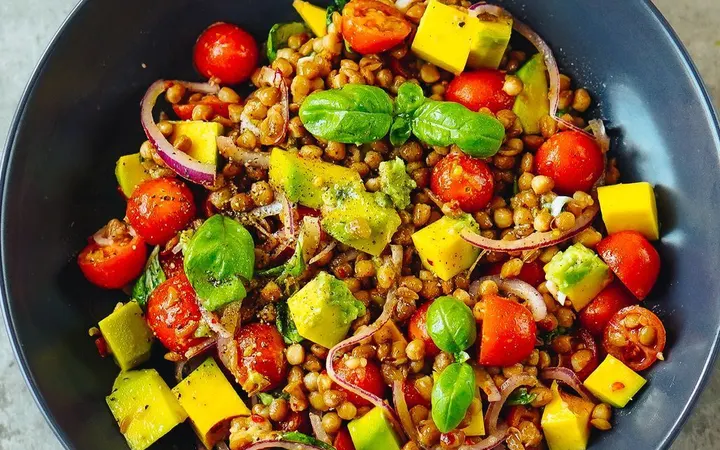
- Lunch: lentil salad with cherry tomatoes and avocado, plus a piece of wholegrain bread.
- Snack: an apple with peanut butter, or hummus and carrots.
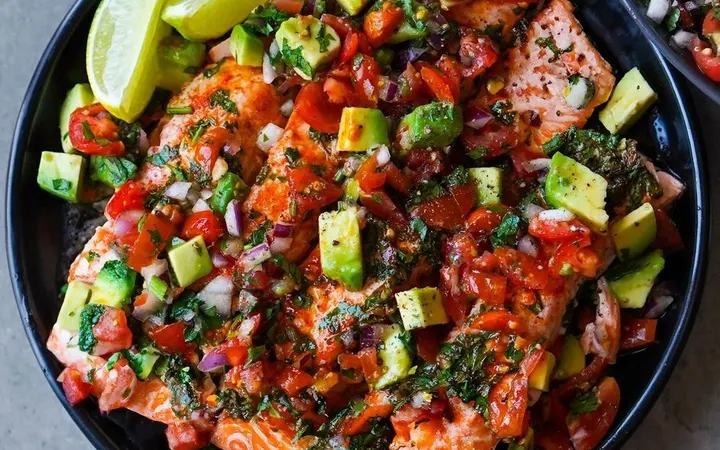
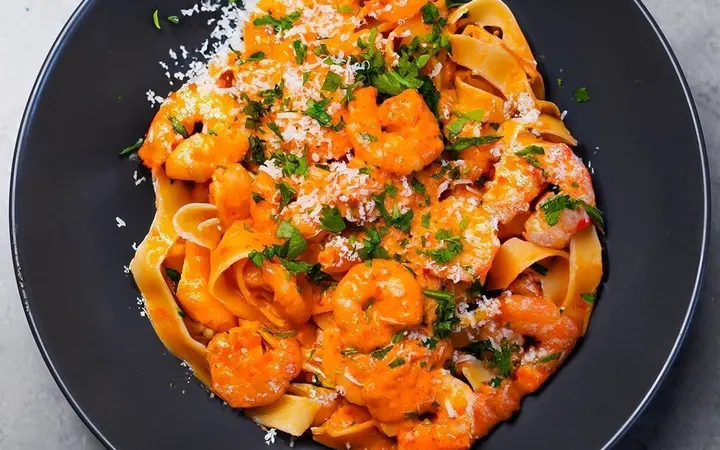
- Dinner: baked salmon with avocado salsa with rice and greens, or spicy shrimp fettuccine.
Fish twice a week and plant-based or vegetarian meals the rest of the time is a balanced rhythm. For a full week, see our 7-day pescatarian meal plan.
How to start
- Swap one meat meal at a time for fish or a bean-based meal, instead of changing everything at once.
- Learn three easy fish dinners, such as baked salmon, shrimp pasta and a tuna salad.
- Stock up on plant proteins: canned beans, lentils, tofu and eggs make quick meals on days without fish. Our vegetarian grocery list covers the basics.
- Buy frozen and canned fish: frozen salmon fillets, prawns and canned sardines or tuna are cheaper and keep for months.
- Read labels for hidden meat: gelatin, chicken stock and Worcestershire-style sauces (which contain anchovies, so those are fine for you).
Pescatarian vs vegetarian vs vegan
More on the difference between the last two in vegan vs vegetarian.
| Pescatarian | Vegetarian | Vegan | |
|---|---|---|---|
| Plant foods | Yes | Yes | Yes |
| Eggs and dairy | Usually | Usually | No |
| Fish and seafood | Yes | No | No |
| Meat and poultry | No | No | No |
Frequently asked questions
Do pescatarians eat eggs and dairy?
Most do. A pescatarian diet is usually a vegetarian diet with eggs and dairy, plus fish and seafood. Some people choose to skip eggs or dairy too; there's no strict rule.
Do pescatarians eat chicken?
No. Chicken, turkey and other poultry are meat, so they're not part of a pescatarian diet. Someone who eats chicken and fish but no red meat is sometimes called a pollo-pescatarian.
Is a pescatarian diet healthy?
It can be. It combines the fibre-rich plant foods of a vegetarian diet with the omega-3 fats EPA and DHA from fish. Like any diet, it depends on what you eat: fried fish and white bread won't do the same as salmon, lentils and vegetables.
What's the difference between a pescatarian and a vegetarian?
A vegetarian eats no meat, poultry or fish. A pescatarian eats no meat or poultry, but does eat fish and seafood.
How often should a pescatarian eat fish?
US guidelines suggest at least 8 oz (about 225 g) of seafood a week for adults, or about two servings, from fish that are low in mercury. You can eat it more often; pescatarians don't need fish every day.
Is canned tuna OK for pescatarians?
Yes. Canned light tuna (often skipjack) is on the FDA's 'best choices' list. Albacore (white) tuna has more mercury, so limit it to about one serving a week.
Recipes to try
Related guides


A planner made for pescatarians
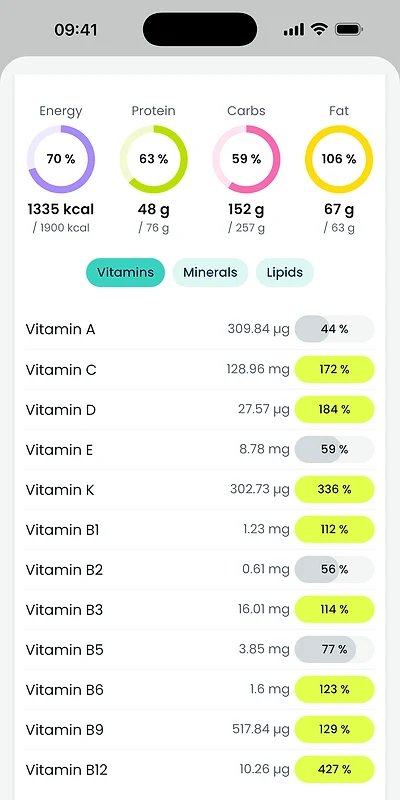
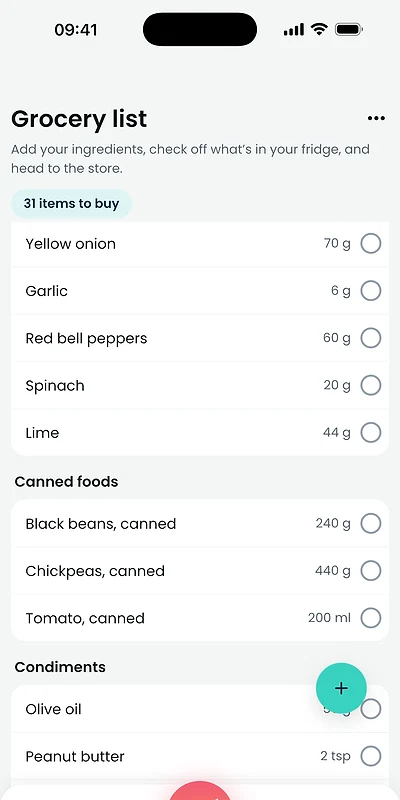
Choose pescatarian in Vegochef to get matching recipes, plan your week, see omega-3 and your other nutrients against your targets, and send everything to your grocery list.
Try it free for 7 days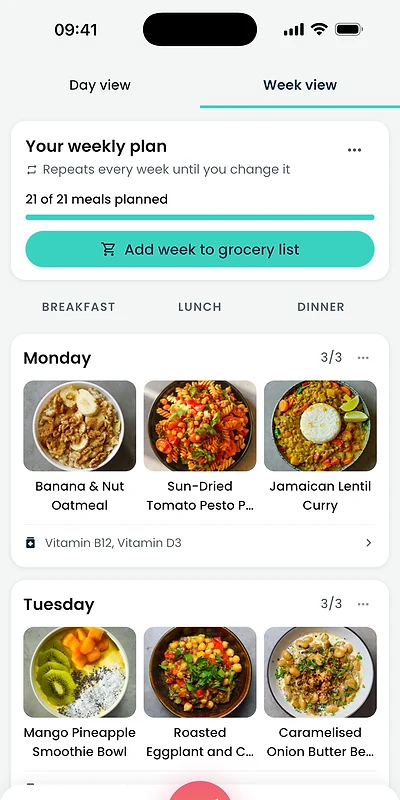
Sources
- US FDA and EPA: Advice about eating fish (fda.gov/fishadvice)
- Dietary Guidelines for Americans 2020–2025: seafood recommendations (dietaryguidelines.gov)
- NIH Office of Dietary Supplements: omega-3 fatty acids and vitamin B12 fact sheets (ods.od.nih.gov)
- NHS: fish and shellfish (nhs.uk)
From vegochef.com: meal planner and nutrition tracker for vegans, vegetarians and pescatarians. Free for 7 days on the App Store.